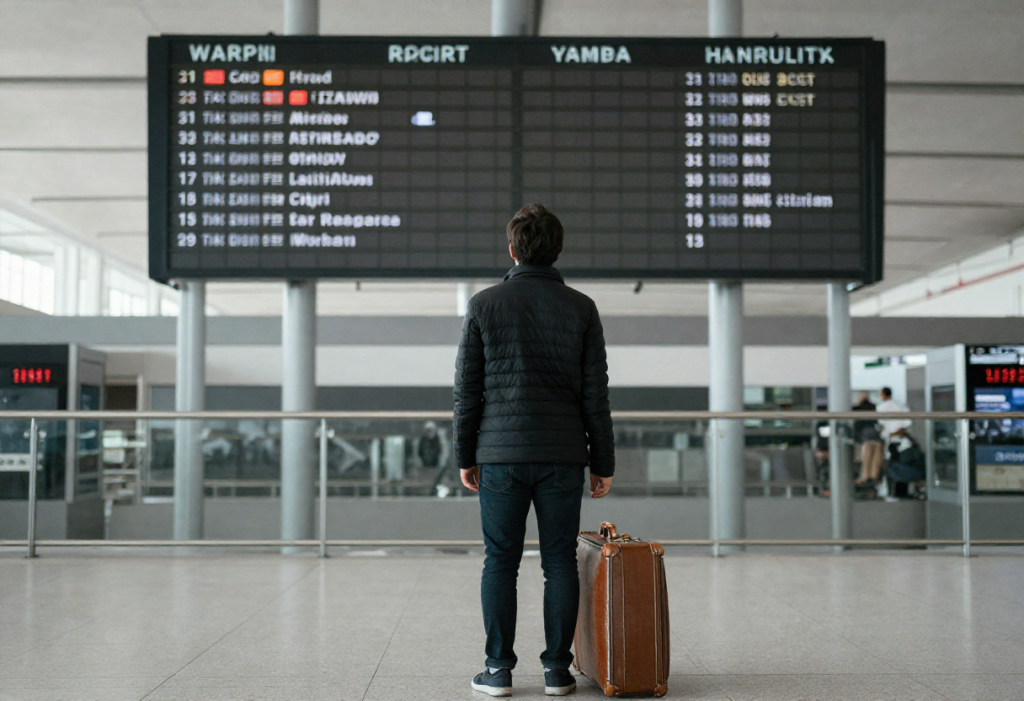



Christmas is the time of year when the house feels warm, the table is full, and the familiar rhythm of family togetherness envelops you. But for many parents and grandparents who remain in South Africa, while children and grandchildren live abroad, this season becomes a reminder of how things have changed. The lights are still twinkling, but some chairs at the table are empty. The tree is still decorated, but little hands are not helping. And although your heart is proud of their new life, there is still an indelible pain that is felt deeper during December.
The quiet part of Christmas
When children and grandchildren emigrate, the everyday things change first:
spontaneous visits, quick hugs, Sunday evening dinners.
But with Christmas the bigger things also come closer:
- the tradition you have built together;
- the way the family usually got together; and
- the small rituals that only make sense within your family.
The distance does not just become kilometres – it becomes emotion, memory and longing.
Even if there is a video call during the day, a part of you still wished for the physical:
A laugh in the hallway, the excitement of little feet, the smell of a house full of people.
The dual emotion of pride and loss
Most parents and grandparents carry two strong emotions at once:
being proud of the children who have spread their wings, and loss for the closeness that has changed.
It is normal to:
• long for the way things used to be;
• wonder what this Christmas will be like for them there;
• sometimes feel unsure or overwhelmed; and
• silently mourn a form of togetherness that is no longer the same.
This doesn’t mean you’re ungrateful or negative – it just means that you love.
When traditions take on new forms
One of the biggest adjustments is the realisation that Christmas will never look exactly the same again – but that doesn’t mean the love is any less.
Many families discover their own ways to bridge the gap:
- Fixed video appointments on Christmas Day or evening.
- A photo exchange of everyone’s Christmas tree or table.
- Small, meaningful traditions like singing a song together on a phone call.
- Christmas packages that are mailed in advance — something tangible that passes through human hands.
Sometimes the new tradition becomes simple:
“We each make a cup of coffee, sit in front of the camera, and visit this way.”
It’s not a substitute for physical presence, but it keeps the bond alive.
How to get through the season
For parents and grandparents, this time of year is not only a festive time, but also an emotional one. A few things can help:
1. Let yourself feel
It is perfectly acceptable that Christmas feels different to you. You do not have to try to be strong 24/7. Longing, tears, nostalgia – it is normal.

2. Celebrate your way
Just because they are not here, does not mean that your Christmas has to come to a standstill:
- Host a meal with friends and family.
- Create a smaller, more relaxed celebration.
- Find a new tradition that feels good to you.
The idea is not to recreate the past, but to find a new form in which you can still experience joy.

3. Stay in touch without pressure
Children living abroad have their own routines, work schedules and families. It helps to:
- make realistic appointments;
- be flexible with times; and
- remember that the love is there, even if logistics are challenging.

4. Cherish the little moments
A photo of the grandchildren, a voice note filled with excitement, a minute-long video of their snowman, can be enough to carry your heart through the season.

Christmas remains an anchor
Even with continents between you, Christmas remains a time of connection. It reminds you of:
- the shared stories;
- the love that is still there; and
- the family tie that is not lost through distance.
Lights across continents
Christmas is no longer a table full of people – it is a world full of people sitting in different places but still belonging to each other.
No matter where your children of grandchildren live.
The lights that shine here, are the same lights that they see there.
And sometimes that is enough to remind you, you remain family, across borders and time zones.
Also read: Five ways to cope with missing your loved ones abroad
Share on

Latest articles