


Out and about is a column where we talk to people who currently live abroad, or who used to live and work there. This week we talk to Quinton van der Berg, who currently lives in New Zealand.
Hello Quinton, it is nice to talk to you! Where in South Africa are you originally from?
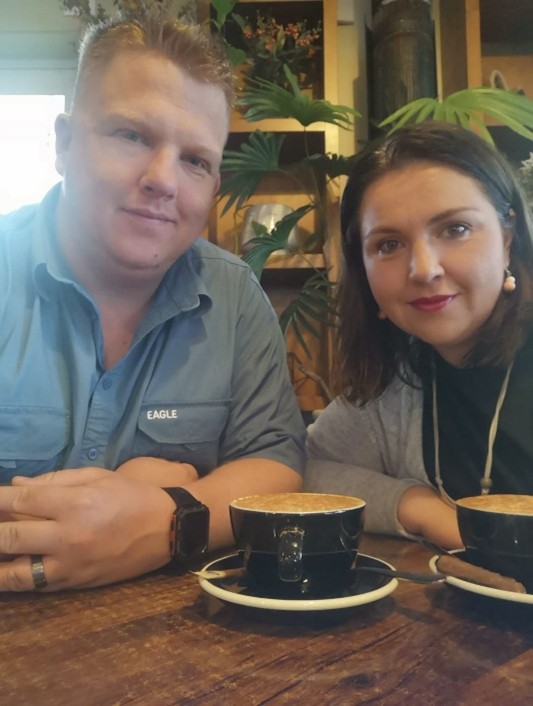
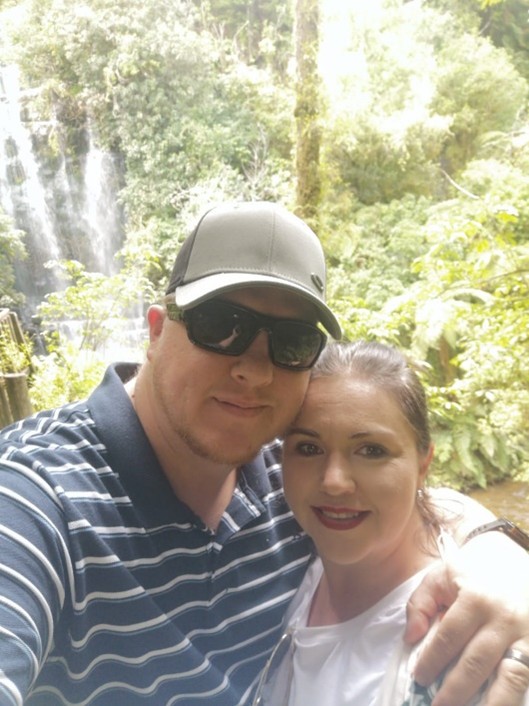
Thank you for the opportunity. I am originally from the Vaal Triangle, but before we emigrated, I lived in the Cape for seven years. That is also where I met my wife – she is from the beautiful Swartland, from Malmesbury.
Tell us more about your family.
My wife and I met in 2019 and started dating in 2021. We wanted to get married and start a family but felt we didn’t want to do it in South Africa, for various personal and political reasons. So, we started looking at options overseas.
I was lucky to find a job fairly quickly. We got married in September 2023 and shortly after that I left for New Zealand. My visa was approved very quickly, and my new company wanted me to start as soon as possible. So, Chantelle stayed behind to pack up the house and sell everything we had built up over the years. She handled it incredibly well while I had already started working here. About three months later she was able to join too.
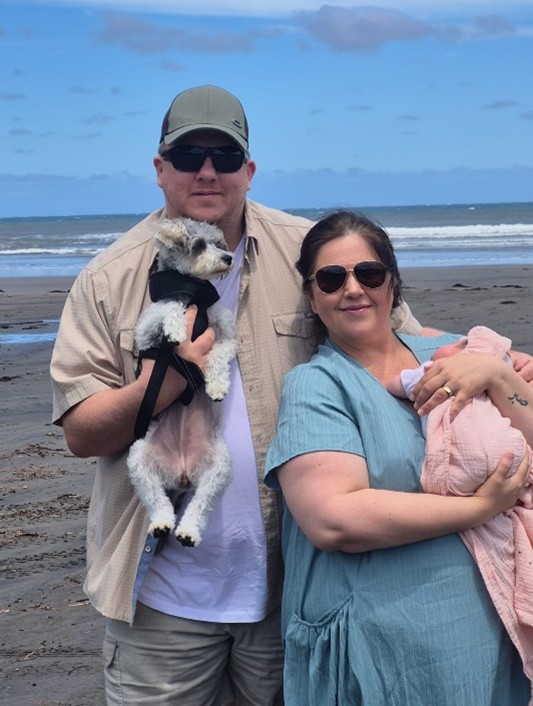
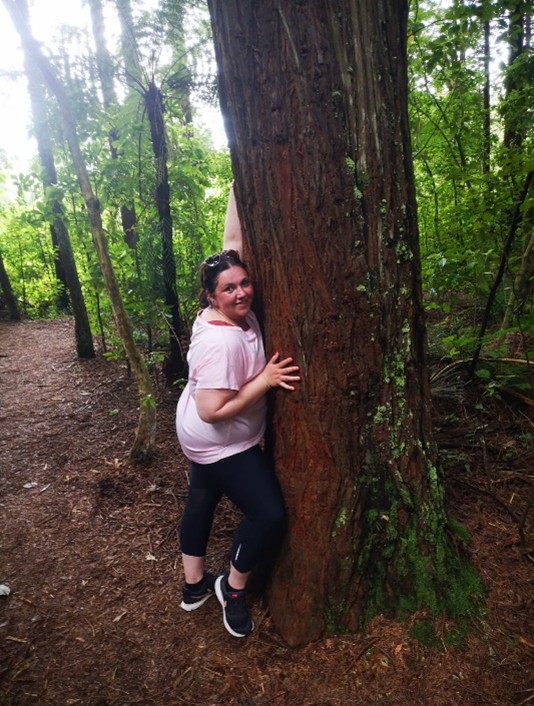
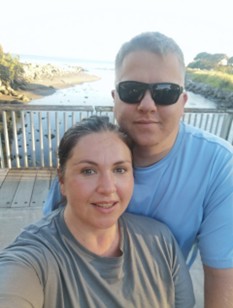
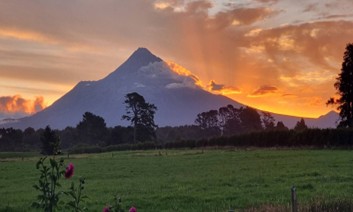
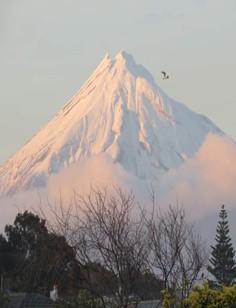
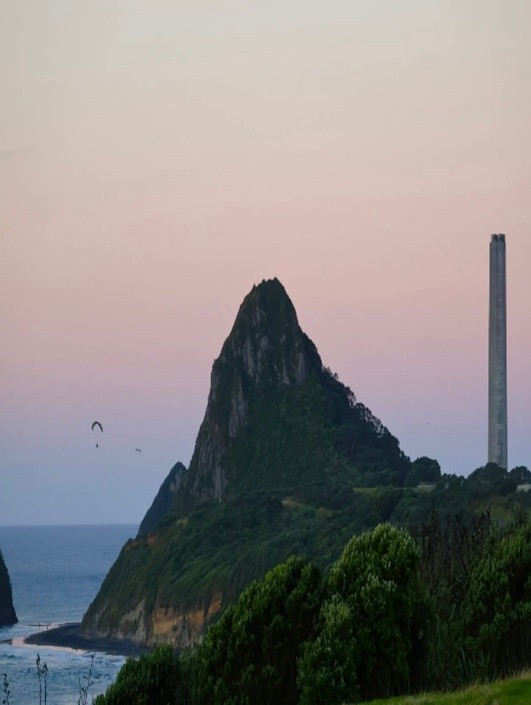
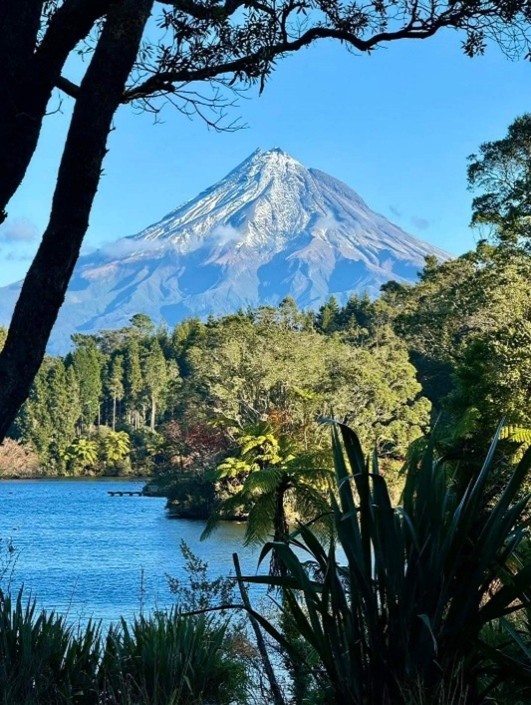
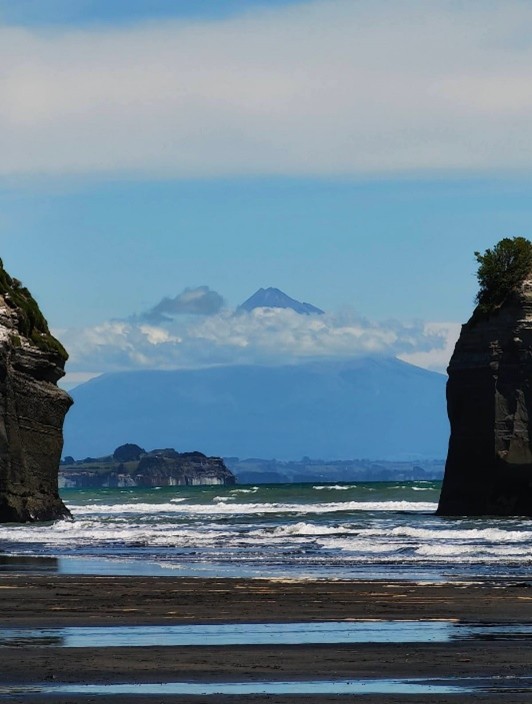
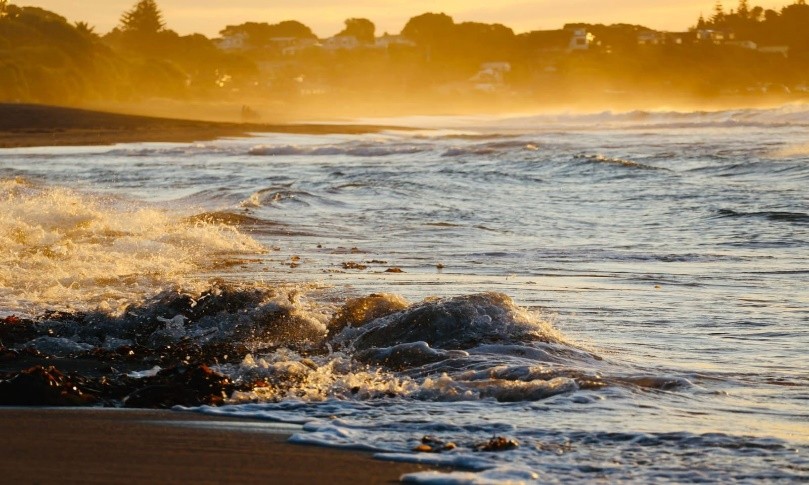
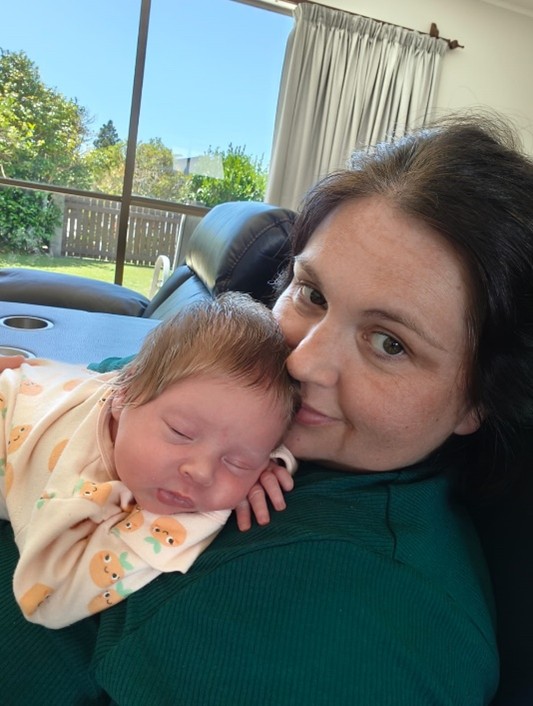
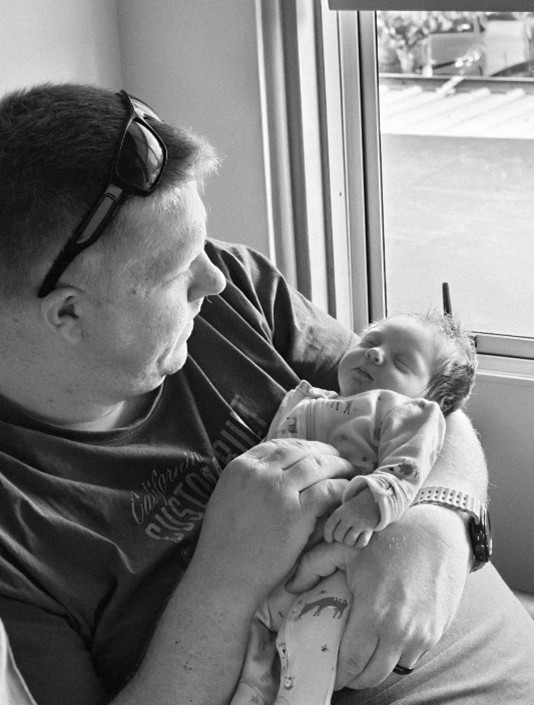
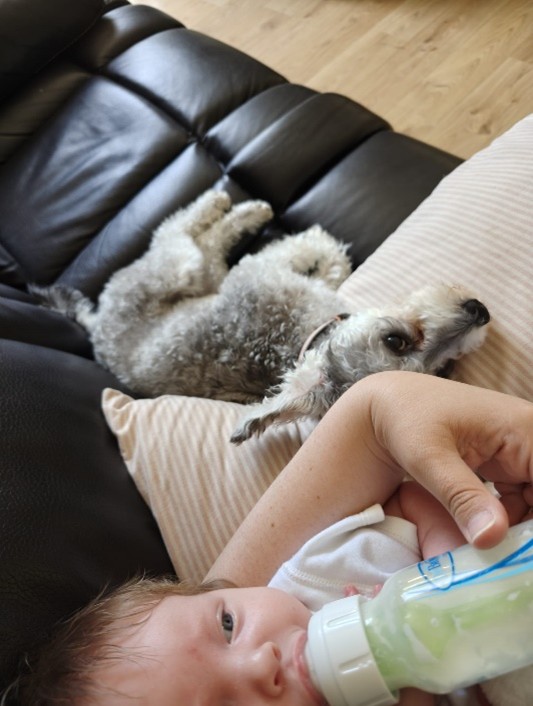
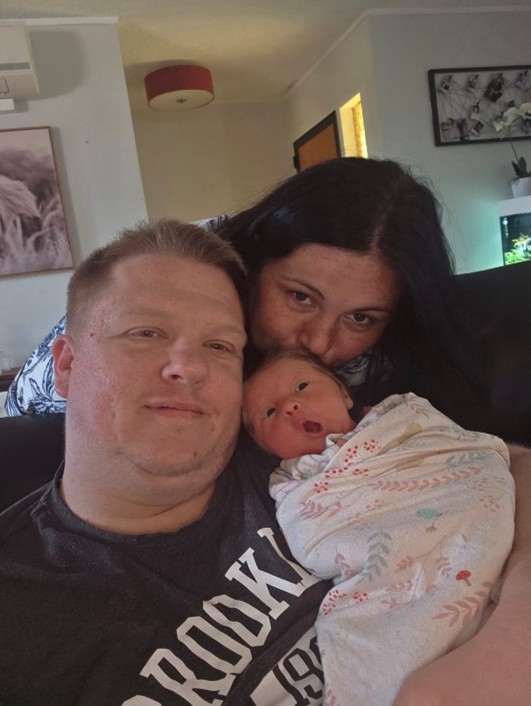
We settled in New Plymouth, a coastal town on the west coast of the North Island in the Taranaki region. Our daughter, Mila, was born here in New Zealand on 30 December 2025.
Since we moved, we have grown even closer. In a new country, you really have to rely on each other, and it has strengthened our bond. We see ourselves as a team, dreaming together, working together and building a future together – especially for our little girl.
Tell us what work you do and how the work culture in New Zealand differs from that in South Africa.
I work as an industrial radiographer and Chantelle works as an administration officer at a dance school for children.
Here in New Zealand, you often hear a lot about the concept of a “work-life balance”. Things are not as rushed as we sometimes experience in South Africa. People also work hard, but there is a clear balance between work and personal life. We also noticed that people at work are quite private – it sometimes takes a while before colleagues invite you to socialise outside of the work.
Was it difficult to adjust there or did you find it easy to make friends and integrate into the community?
We adapted pretty quickly and made a lot of new friends. Some days were harder than others, of course, but overall, we settled in well.
We quickly became part of a local church, and Chantelle did a lot of volunteer work at the Cancer Society in the first few months before she started working. This helped her to meet great people and become part of the community more quickly.
How does the lifestyle and cost of living differ from that in South Africa?
The lifestyle here is more down to earth. People do not really care what car you drive or what clothes you wear.
However, the cost of living is quite high. Houses and rent are expensive – a normal two- or three-bedroom house can easily cost around R6 500 per week. Groceries are quite similar to South African prices for many products, with a difference here and there.
What was the strangest thing for you to get used to?
The honesty and trust between people surprised us quite a bit. In South Africa we are used to the fact that you can’t just let everything lie around or trust everyone. Here we experience that most people are very honest and sincere.
Your word also counts a lot – often more than documentation or proof slips. The general law-abiding nature of people was also striking to us. Most people simply follow the rules.
How does the food in New Zealand differ from that in South Africa?
There is a big difference, especially with traditional food. New Zealand has incredible meat pies, and their mutton is fantastic.
They also have a famous traditional Maori cooking method called hangi. Food is placed in a hole in the ground with hot stones, covered and slowly cooked with steam. The first time it can taste quite strange if you are not familiar with it.
Do you get the opportunity to travel?
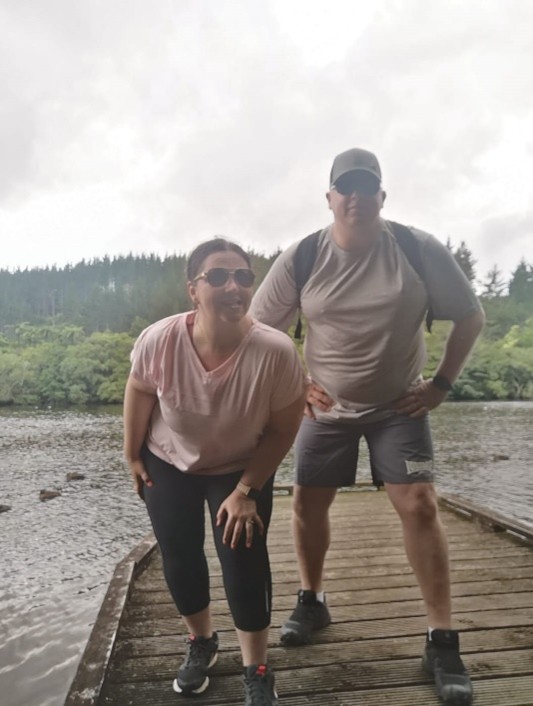
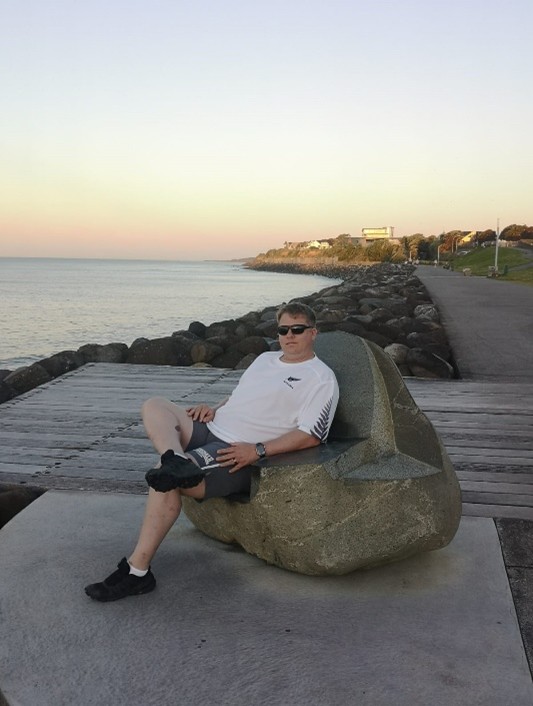
I travel quite a lot for work, all over the North and South Islands. Chantelle travelled with me a few times before she started working and before Mila was born. We also have friends and acquaintances all over the country, so we often go visit on long weekends.

What lessons did you as a family learn since moving?
The biggest lesson is that adjustment takes time. Every person adjusts at their own pace, and this requires patience with each other.
We have also learned to be more open-minded for new experiences and opportunities. At first, a new environment sometimes feels uncomfortable or uncertain, but by supporting each other and communicating well, we have become stronger and more resilient as a family.
This experience has brought us closer together as a couple and taught us that together we can face any challenge.
What does your Afrikaner heritage mean to you?
My Afrikaner heritage gives me a strong sense of identity and connection. It reminds me of my language, my values and the importance of faith and family.
We try to keep our traditions alive by speaking Afrikaans at home, watching Afrikaans television and making our little daughter, Mila, aware of our history and culture from a young age.
We still celebrate occasions such as Braai Day, Easter and Christmas in the familiar South African way, and we hold on to food, customs and traditions that remind us of home.
After all, our ancestors travelled to the southern tip of Africa some 370 years ago to start a new life – a beginning to which many of us today owe our origins and traditions.
Are there South African products or Afrikaans-speaking people near you?
We are lucky – there is a South African shop in our town. We also make our own biltong and dry wors.
Many supermarkets have international shelves where you can sometimes find South African products, such as Ouma rusks, chutney and tomato sauce.
There are also quite a few Afrikaans-speaking people here. Our doctor who helped us with Mila’s birth is a South African. It also happens quite often that you suddenly hear the familiar accent while speaking English to someone and then – and before you know it, you are all speaking Afrikaans.
What would you call your emigration chapter?
“An undeserved gift”
We feel incredibly privileged to be here and to have this experience. For us, one of the greatest gifts is that we can raise our daughter in an environment where children can still ride bikes and play freely, without high fences, alarm systems and locks everywhere.
What is the biggest change in yourself since you emigrated?
I have definitely become more adaptable. Emigration has taken me out of my comfort zone and taught me how to handle new situations with greater self-confidence.
I also developed a greater appreciation for simple things such as safety, stability and time with my family. Things that I just took for granted in the past now mean so much more.
Emigration didn’t just take me to a new country physically – it also shaped me internally.
Do you have advice for others who are considering the same journey?
One thing we wished we had realised better beforehand, is how emotional the whole process can be. You prepare financially and practically, but the farewells, the longing and the identity shift is something no one can fully prepare you for.
Our advice is to be realistic but hopeful. Do thorough research, plan well and make sure that as a family you are on the same page. Emigration does not solve all problems – it also brings new challenges.
Give yourself time to adjust, build a new support network and stay true to your values and identity. If it is clear what motivates you it makes it easier to get through the more difficult days.
For us, it was ultimately a big step – but one that made us stronger as husband and wife.
Share your story with us
Every experience is unique – whether it is about your work, adjustment, culture, family or just your everyday life.
AfriForum Worldwide offers a space where your perspective makes sense to others who may be walking similar paths.
Also read: From Magalies to the Grampians: a new beginning in Australia
Share on