


By Alana Bailey
The festive season has come and gone, as have in-person and online visits. Most people’s lives are running at full speed once more at school and at work. Due to immigration, South African grandmothers and grandfathers find themselves on all sides of the oceans these days, and unfortunately often not on the same side as all their children and grandchildren. This sometimes results in loneliness, longing and – at this time of year – perhaps even a sense of purposelessness.
Now is not the time for self-pity though, but an opportunity to get to work!
In the more than 35 years I have been working with migrants, one fact I have been hearing repeatedly, is that it is difficult for migrants to celebrate holidays such as birthdays, Easter and Christmas in the absence of their extended family. A Dutch friend who came to South Africa with her parents as a child, told me how she missed having grandmothers, grandfathers, aunts, uncles, cousins or nephews at her birthday parties.
For youngsters who are constantly in the company of older relatives, these social occasions are a given, as are hearing the older generation’s stories about the adventures, misadventures and achievements of their ancestors. While these stories may sometimes bore children, especially when they are hearing the same tales for the tenth time, they eventually become a precious memories and life lessons.
To overcome this loss of interaction and establish a closer bond with loved ones overseas, people who have the time should start recording their memories, family history and anecdotes. If writing it down seems too cumbersome, they can make sound recordings or videos.

The easiest way to start is probably to tell your own life story – where you were born, went to school, your favourite subjects, your first love, pet, car or job. Recall the most beautiful places you have been to and the interesting people you have met. If you want to be that honest, mention the dumbest and smartest decisions you have ever made, and what that has taught you.
This endeavour can even be approached as a game: Swop facts with the younger generation. Choose a question per week, for example “What is your favourite movie?” or “What is something you never want to eat again?”. From here the conversation can progress as grandparent and grandchild of any age continue discovering both shared and contrasting preferences.
A more advanced option is to start researching your family tree. Some families are lucky and can consult sources such as the series, South African genealogies/Suid-Afrikaanse geslagsregisters, edited by Drs. J.A. Heese and R.T.J. Lombard. Others will have to update the available information to include current generations or start the search from scratch. The Genealogical Society of South Africa [genza.org.za] offers help with this if you do not know where to start. By recording the family’s record in South Africa, you will be creating an important link between your ancestors’ places of origin and the new country where your descendants have settled.
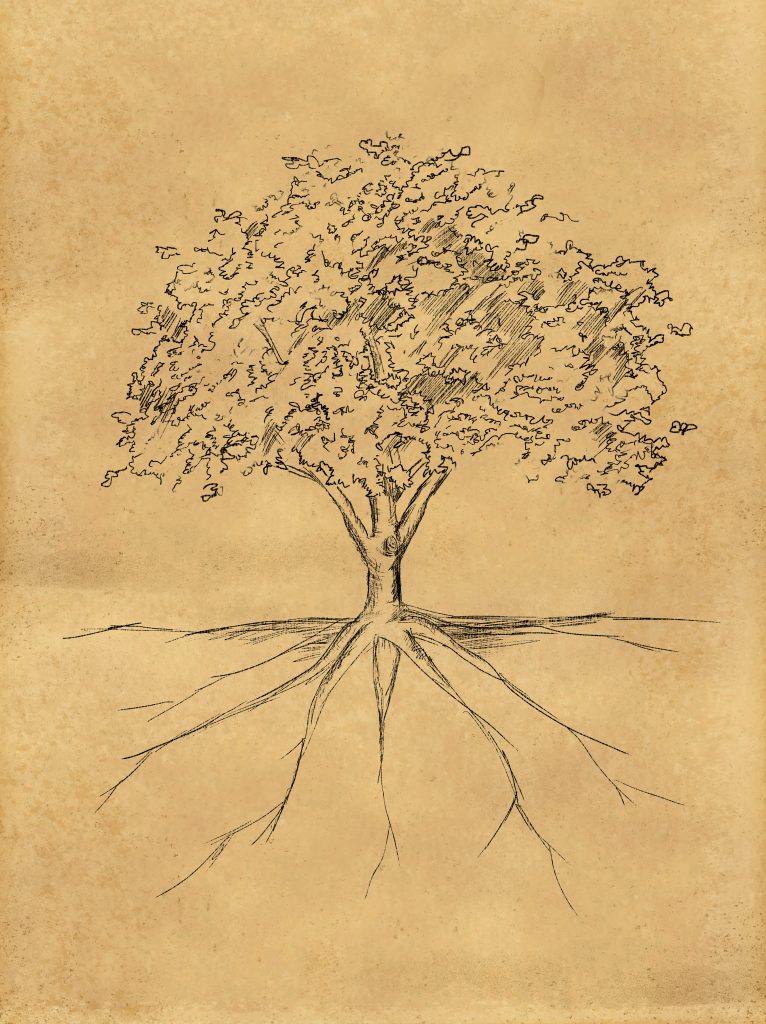
Recording the facts and stories of ancestors provides descendants with information that can inspire, for example, to consider what they experienced during long sea voyages to Africa, the trek into the unknown interior, the Anglo-Boer War or the Border War, and how they then continued to establish the foundation on which you are all building your lives today.
Honesty is essential. It can be overwhelming, especially for young people, to gain the impression that their ancestors were flawless, angelic beings. Knowing that they also made mistakes and that there were scoundrels among them, brings home valuable life lessons, creates compassion and understanding for them, as well as comfort in knowing that you are not the only fallible person in the family.
In addition, it will explain traditions, habits, language expressions or even the physical traits of the current generation. In our family there are all sorts of unique expressions that no one else will understand, but as soon as I hear a person using one of them, I know the speaker is probably related to me. It is somehow reassuring to know that your nose resembles that of a great-grandmother you never knew, or that you hold your coffee cup like a grandfather who passed away shortly after your birth.
An aspect which is receiving increasing scientific attention, is medical conditions. There are families in which high cholesterol and various types of cancer are prevalent, or hereditary diseases such as polycythaemia, haemophilia and porphyria. With family research it quickly becomes evident if such a problem exists and by being aware of the risks, timely actions can be taken and lives saved.

When your children or grandchildren emigrate, it does not mean that the family ties are severed. Your family’s memories and DNA emigrate with them, and you can play a crucial role in filling in the framework that this creates with more information. It can be a great adventure and in the process, you may even discover things you never knew about.
Also read: What loneliness looks like, even after a “successful” emigration
Share on

Latest articles