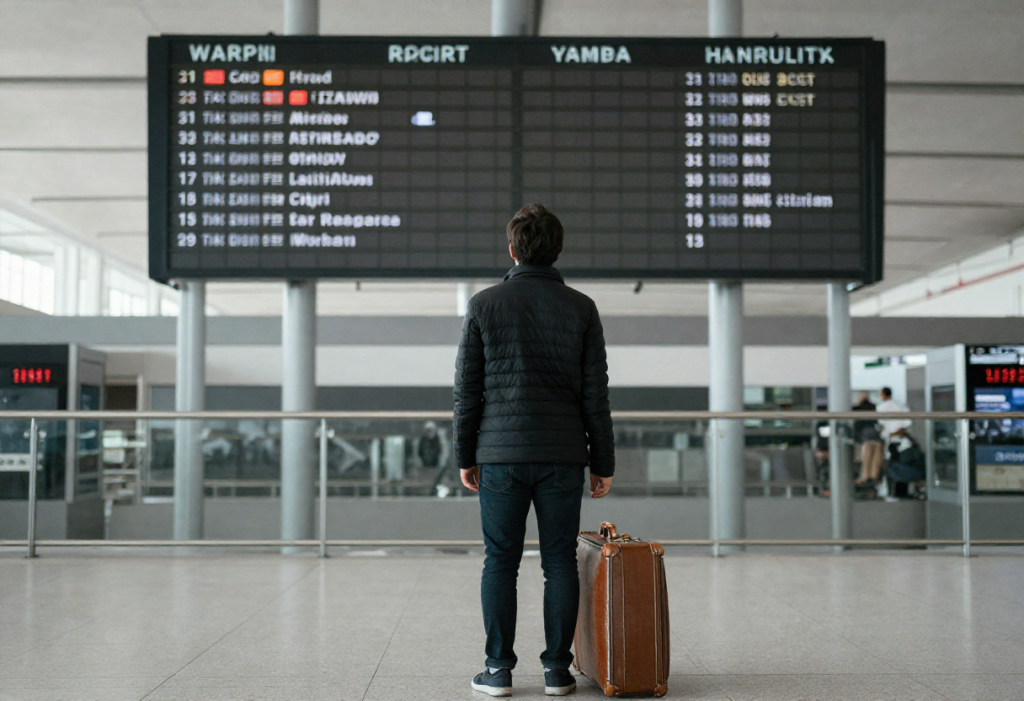


When children emigrate: parents and grandparents’ road to adjustment

Emigration is never a simple decision. When children decide to live abroad, it changes the familiar rhythm of a family’s life. For those left behind, it means a time of adjustment, longing, and the search for new ways to still be a part of each other’s lives. For the parents and grandparents who stay behind, it brings a quiet season of loss, adjustment and new ways of loving despite the distance between them and their loved ones.
Where there used to be spontaneous visits, hugs and meals together, there are now time zones, digital screens and waiting for messages. Still, despite the challenges, there are also new ways to stay close, and new ways for love to survive regardless of borders.
Support for families who stay behind
When a loved one emigrates, it’s not only them who has to adapt – family members who stay behind also experience challenges. AfriForum Worldwide realises that emigration is not only a life-changing reality for the child who leaves, but also for those who stay behind.
Therefore, AfriForum Worldwide offers support through:
- articles and expert advice that illuminate the emotional and practical realities of emigration;
- social events where families can build their own networks and share experiences; and
- the Spotlight newsletter, which helps parents better understand the culture, customs and challenges of their children’s new country.
When you better understand your child’s new reality, you can be more supportive and have meaningful conversations – a bridge that makes the distance seem smaller.
The emotional journey of parents and grandparents
The first reaction to a child’s emigration is often sadness or even resistance. However, how parents react influences the relationship going forward. By speaking openly and supporting the family’s dream, you build a lasting bond. Grandparents experience loss in a unique way: it is not only the distance that hurts, but also the longing to be a daily part of a grandchild’s life. The role of comfort, spontaneous visits or even just a simple lollipop from the handbag, now takes on a different form.
A connection over the distance
Personal experiences show how families find ways to still feel close to each other:
- Ans Pelser, who has grandchildren all over the world, says: “If they see you are making an effort, they will make an effort too.”
- Margaretha Kruger sends parcels for birthdays and enjoys using technology to share each milestone.
- In one case a gift parcel was stuck at Customs for days – a reminder that even love in a box can have its own obstacles. The end result was however still a precious bond that was strengthened when the gift finally reached its destination.
Empathy as an anchor
According to the anthropologist Helen Ellis empathy is the cornerstone of long-term relationships. Empathy helps families to recognise each other’s challenges – whether it’s a grandchild seeing his granny on a screen of a parent silently waiting for a message.
Small gestures – such as a voice note, photo or even a family recipe – keep the feeling of being present alive. Food, music and memories become symbolic of being together, even if there are thousands of kilometres between family members.
Practical tips for parents and grandparents
Emotional adjustment requires time, but there are also many practical ways of making the distance smaller and keeping relationships alive. Here are a few tips that other families have found useful.
1. Be involved and supportive
Listen with an open mind when your child or grandchild shares news about their new life.
- Ask questions about their new job, the children’s school or even the weather. It shows that you are interested and make conversations deeper than just “How are you?”
- Share your own experiences from back home, so they can still feel part of your everyday life.

2. Use technology creatively
Digital platforms is a lifeline between continents.
- Make regular video calls on WhatsApp, Skype or Zoom. Even a five-minute call can make a grandchild’s day.
- Record voice notes or short videos of your garden, a family gathering or your favourite recipes as you cook it – grandchildren love to “be a part”.
- Read stories aloud with a book in your hand, while your grandchild follows the pictures on the other side.

3. Establish routines
Uncertainty over when the next communication will take place can create tension.
- Establish fixed times for conversations, for instance every Saturday at 10:00 (which could be a convenient time during the evening in their time zone).
- Make it something everyone looks forward to – a virtual “tea-and-chat” or “story time”.

4. Create traditions over distance
Family traditions don’t need to disappear.
- Celebrate birthdays together by cutting a cake on both sides of the world and singing along during a video call.
- Create a “virtual family book” on Google Photos or WhatsApp where everyone can share photos – form the grandchildren’s first school day to your new garden project.
- Start an online game or family quiz that can be played regularly.

5. Send gifts with care and love
Receiving a parcel from South African often brings tears of joy.
- Use reliable courier services and ensure beforehand which items will be allowed through customs.
- Hand-made items, photo albums or a hand-written letter is often more precious than expensive gifts.
- Include the date and a short message with each gift – it makes it more personal and meaningful.

6. Stay involved in their new world
Read more about the culture and lifestyle of your child or grandchild’s new country.
- Read local news or watch short videos about their city or country – it helps you to have meaningful conversations.
- Celebrate their new opportunities with them. If they get a new job, ask how the workplace is different from South Africa.
- Show respect and interest in their new reality – it strengthens connections.

7. Look after yourself
The emotional toll of emigration affects the entire family.
- Join local support groups or participate in AfriForum Worldwide’s social events.
- Write your emotions in a journal or share them with someone who understands you.
- Remember: the better you take care of yourself, the more love and stability you can give to your family.

These practical steps may seem small, but over time they build a bridge between generations. They give your child or grandchild the reassurance that you are always there – even if it’s through a screen or a package you send them.
Emigration undeniably brings longing and sometimes tears, but it also reminds us of the incredible ability of families to find new ways to hold each other. Love knows no boundaries or time zones – it always finds a way, whether it’s through a voice note, a package or a smile on a screen. Our relationships change, but they never lose their value.
Are you a parent or grandparent with children abroad?
We invite you to share your experience – your stories can help to comfort and inspire others who are going through the same experience.
Share on

Latest articles