

By Alana Bailey
The Anglo-Boer War (1899–1902) not only caused losses on both sides, but had the consequence of prisoners of war that had to be cared for. Ultimately, the British were responsible for between 20 000 and 30 000 prisoners of war.
Initially, the men were held on transport ships in Simon’s Bay. Later, camps were opened in Cape Town, Simon’s Town, Ladysmith and Umbilo (Durban), but the camps soon became overcrowded. In addition, the large groups of able-bodied men who had to be guarded there posed increasing security risks for the British, and therefore it was decided to send some prisoners of war overseas.
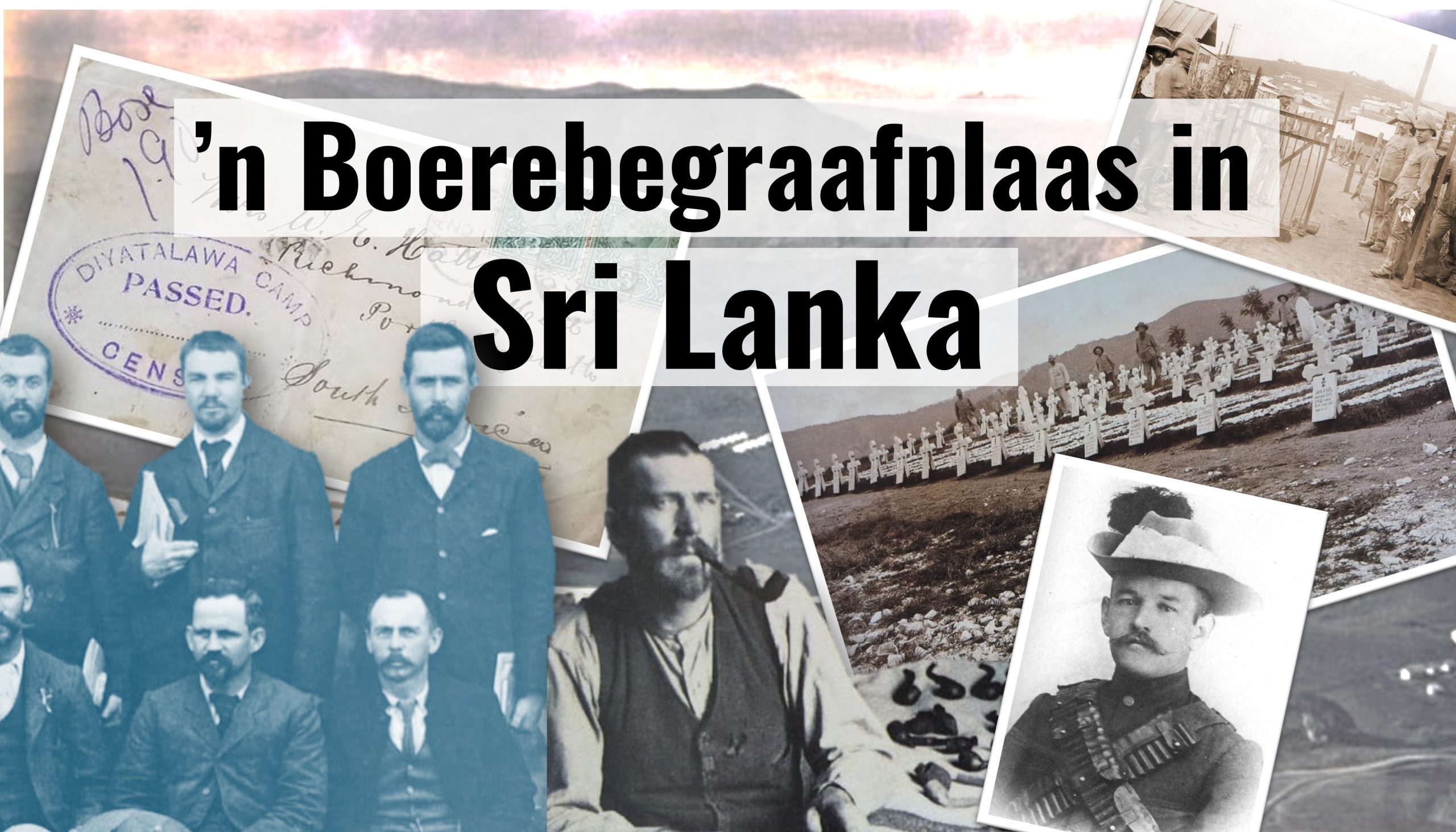
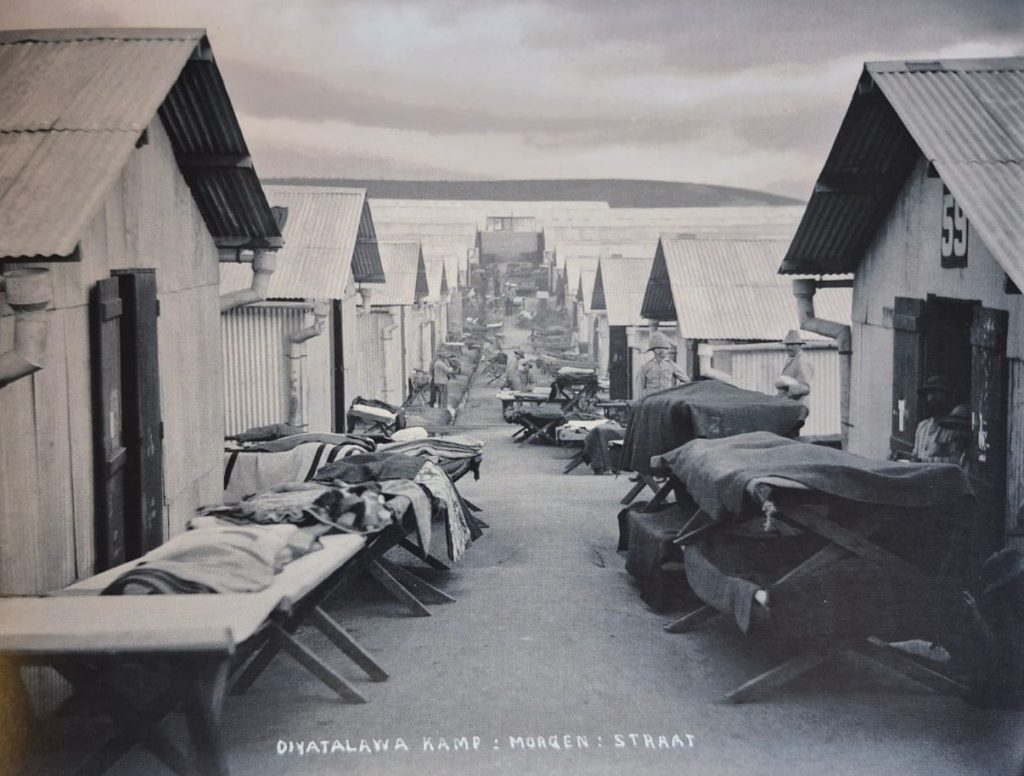
The first destination was St. Helena. When the camps there also began reaching maximum capacity, the island of Ceylon (now known as Sri Lanka) was chosen as the next destination. A large camp was set up at the town of Diyatalawa. A British garrison had already been established there, and the area was known for its healthy living conditions in contrast to other, more low-lying areas.
The prisoners of war received relatively good rations, including meat, potatoes, other fresh vegetables, rice, jam and even condensed milk. Fair hygienic standards were maintained, and the men were also provided with soap. Wooden huts with tin roofs were erected to house them. The vast grasslands and rolling hills of the region reminded the Boers of their homeland.
As in the camps elsewhere, they found all sorts of ways to keep themselves busy, for example with handicrafts that were sold for extra income. Colonel Jesse Coope, known as a cheerful fellow, was appointed to manage the prisoners’ financial affairs – some were quite wealthy and others earned well locally, while some were completely dependent for all their needs. A balance had to be found to treat and care for everyone fairly. Special money vouchers were created, among other things, which they could use instead of the local rupees for purchases, such as when their clothes became worn out.
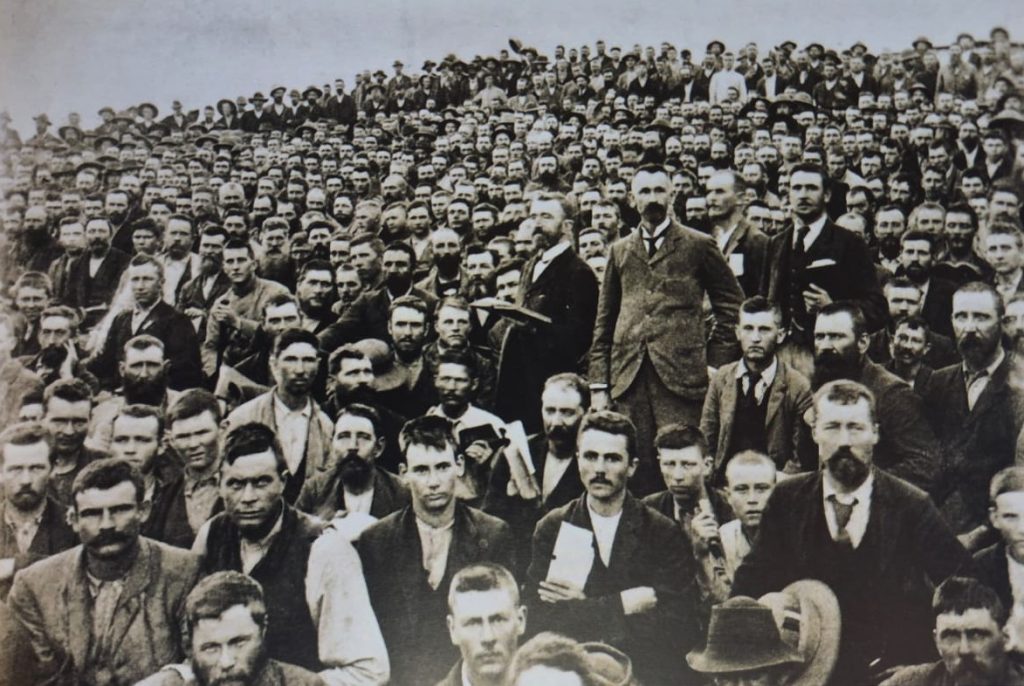
The prisoners of war soon gained a reputation as good, God-fearing people. They regularly held church services and provided education to their less literate campmates. There was also a lively debating society. One of the debate themes was “What should our future language be as a written and teaching language alongside the English language in South Africa: ‘Dutch’ or ‘Afrikaans’?” The debate was so popular that it could not be completed in a single session, but had to be continued another time. Finally, General/Reverend Paul Roux recited a poem that stirred up so much emotion that Afrikaans won! Roux was known among the English as “the fighting parson” because he was a minister who actively joined the Boers in the war and was then promoted to Boer general.
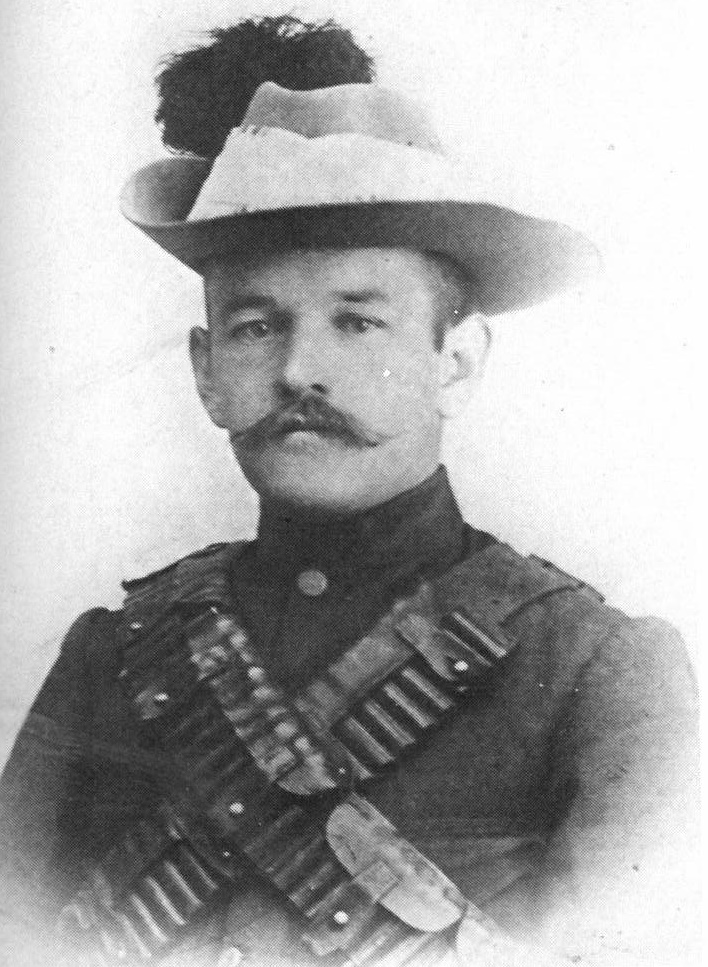
Roux was known as a cultured, handsome man who spoke English fluently. He was often invited as a guest by residents of Diyatalawa. On one occasion, the hostess served curries. She thought that the recipes, which were of Dutch origin, would remind Roux of his homeland. He bravely ate of everything that was served, but at the end he remarked that he had gone through the war without shedding a tear, but could hardly keep his eyes dry throughout the meal! He was particularly loved for his compassionate and comforting nature and for always standing up strongly for prisoners’ rights. He even remained on there long after peace had been declared.
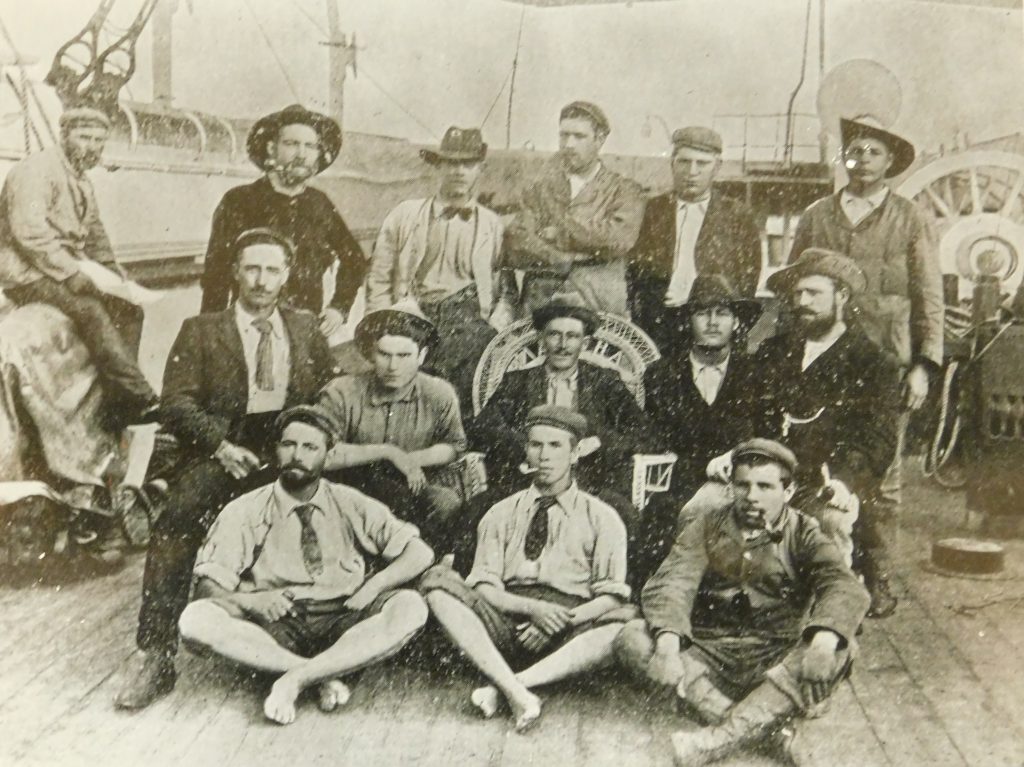
Ultimately, more than 3 800 prisoners of war were housed at Diyatalawa. Despite the relatively good conditions, there were escape attempts. The remarkable story of the five prisoners of war who escaped to Russia by steamer is told by C.J. Barnard in his book, The Five Swimmers. Their adventures prove once again that the truth can often be more interesting than fiction.
As had also happened elsewhere, it was traumatic for the prisoners of war to swear allegiance to Britain after the peace treaty had been signed on 31 May 1902. The repatriation process therefore took a long time. The last prisoner of war only left the camp on 24 September 1903.
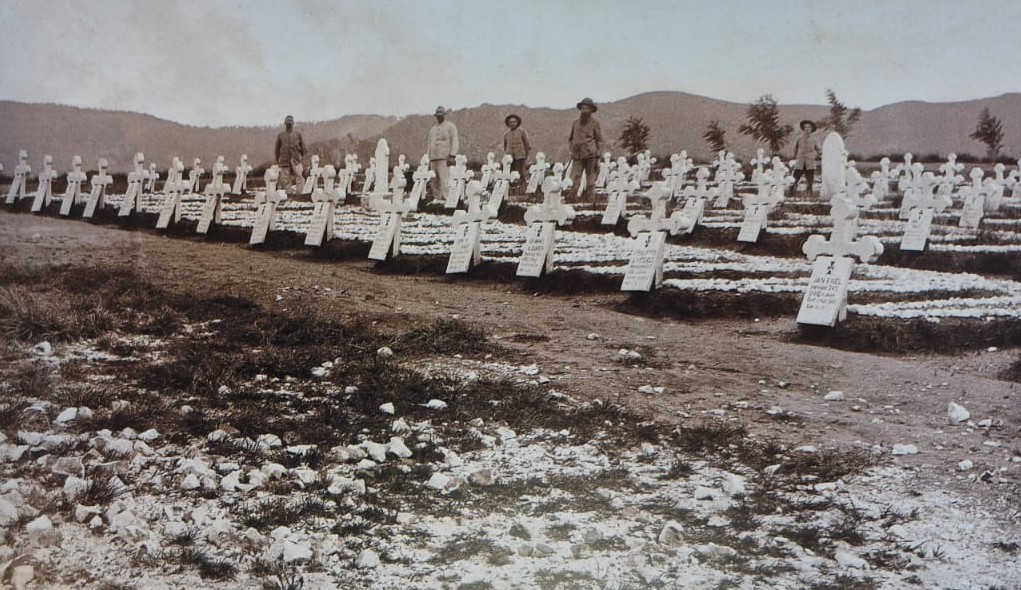
Unfortunately, there were those who would never return home. Despite precautions, diseases such as enteric fever took their toll. To the south of where the camp had been located, a cemetery with the 133 graves of Boers who died on the island can be found. Each grave is marked with a simple wooden Celtic cross with the name of the deceased and a Bible verse. These were carved by the prisoners of war themselves. The crosses were later replaced with more durable stones.
In 1913, the Union government erected an obelisk-shaped monument in honour of the deceased there. Currently, the cemetery is located within a military camp, and may only be visited with special permission.
Also read: Those who died “with lives unfinished” – South Africans remembered in Romania
Share on

Latest articles