

By Alana Bailey
People who live or work abroad usually travel quite often. Sometimes it is to explore their new home, other times because they live near popular travel destinations that are relatively easy or inexpensive to reach.
The insurance company Travel Guard recently conducted research into what causes people to not enjoy their holiday trips. People in countries all over the world were approached and strangely enough, those with the worst travel experiences were South Africans. Some 98% indicated that they had had at least one holiday that they regretted. Compare this to, for example, France and Belgium’s 90%. Unfortunately, the findings do not indicate whether the disappointments were during domestic or international trips.
Some of the findings are purely statistical, such as the fact that the age at which people have the worst travel experiences is in their twenties. This makes sense, as this is usually when people start working and have young children, and must make do with few vacation days and income. A whopping 50% indicated that this is when they were disappointed, compared to 1% of people over 60 and 14% of teenagers.
Other findings provide some insight that can come in handy when planning another getaway. The three types of vacations that the research participants found most disappointing were family vacations (27%), adventure trips (16%) and city breaks (11%). So, it seems like the ideal option would be to go and seek out nature on your own …
Factors that were broadly responsible for the participants’ bad experiences were unforeseen bad events such as illness or cancellations (17%), poor planning (14%) and holidaymakers who were so tired or stressed that they were unable to enjoy the holiday (13%).
More specifically, problems with accommodation (16%), disagreements with travel companions (13%), as well as bad weather and crowded destinations (both 12%) were responsible for unhappiness.
People remember bad holiday experiences for a long time – possibly because there is often a long wait and saving for a holiday, which makes it very traumatic when people don’t enjoy it. To ensure that the most is made of every holiday, the participants and Travel Guard suggest a few simple steps, including that travellers should plan extensively, keep their comfort needs in mind, budget carefully, think even more carefully about travel companions, consider visiting popular destinations off-peak times, allow for enough rest time, build cancellation options into their planning and, of course, take out travel insurance.
From personal experience, I can agree with all the suggestions. If you are overtired or sick when you leave on vacation, you will have a hard time enjoying it, and your travel companions will also not be in the mood for Martyr Martha moaning and groaning, or coughing and wheezing, yet still trying to keep up. Relationships that are strained before you leave will not improve just because you are in a different environment. On the contrary, it may lead to a bigger eruption than what would have happened at home.
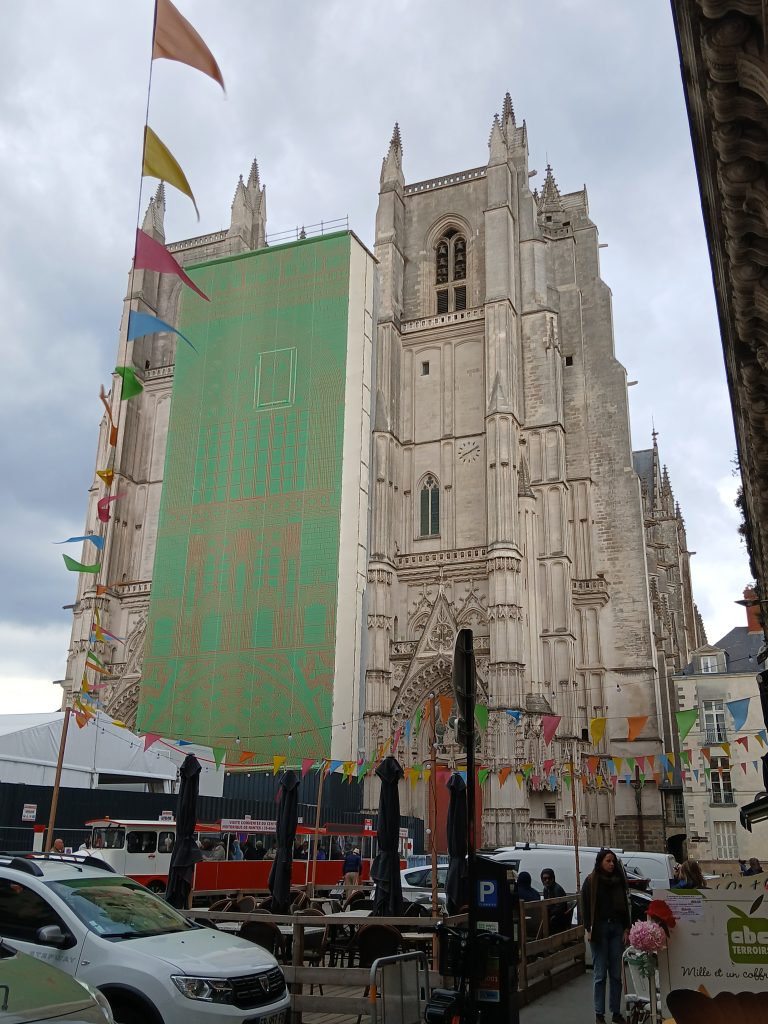
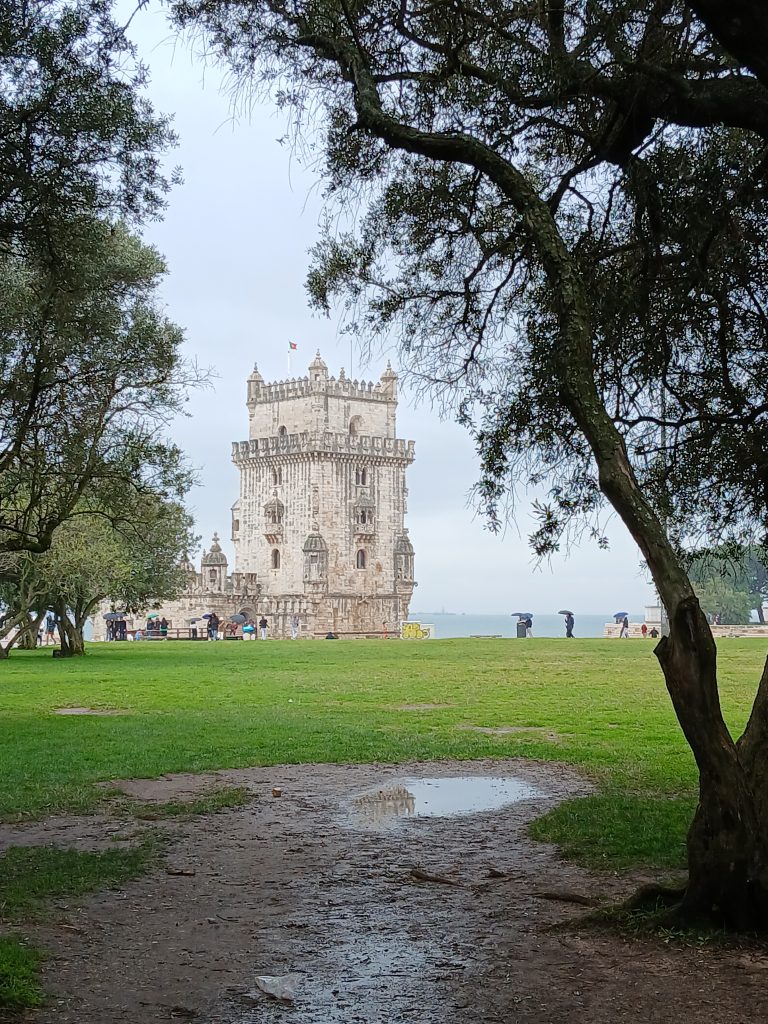
Furthermore, planning is essential. The more planning, the more enjoyment. You cannot assume that the tourist attraction you want to visit will be accessible all days of the week, or even all months of the year. Buildings are sometimes being restored and then closed to the public, for example the Belem Tower in Lisbon and the cathedral in Nantes currently. Sometimes it is open, but surrounded by scaffolding that can seriously disrupt plans for a dream photo. Even if this is your only chance ever to visit this place, you will simply turn around disappointed, which can be avoided if you find out in advance whether such a process is planned and when it is expected to be completed. This even applies to facilities such as heated swimming pools or adventure parks.
Finally, if you get stuck, ask questions. People are generally very sympathetic to tourists. They know that tourism is an important source of income and, moreover, people are generally compassionate worldwide. For example, if a flight or train trip you paid for is cancelled, there is usually an alternative arranged, or compensation paid. Find out before you think you are stranded and will have to choose other transport options at great cost. Alternatives are not always clearly announced (or in a language you understand). Asking the right sources can save a lot of money, time and effort. Also, be vigilant – the gate or platform from which a flight or train departs sometimes changes at the last minute. Don’t wait in vain in the wrong place.
Unforeseen disasters happen, but with good planning and the right mindset, you can handle them and have a good laugh about these adventures later!
Tell us about your experiences – what has turned all your dream trips into nightmares and what advice do you have for other tourists?
(The full report on Travel Guard’s research is available here: https://www.travelguard.com/travel-resources/travel-tips/travel-mulligan)
Also read: Worldwide’s World Guide: your road map to people, services and community – wherever you are
Share on

Latest articles