


Close to the children, yet lonely: Grandma and grandpa’s own place in the community
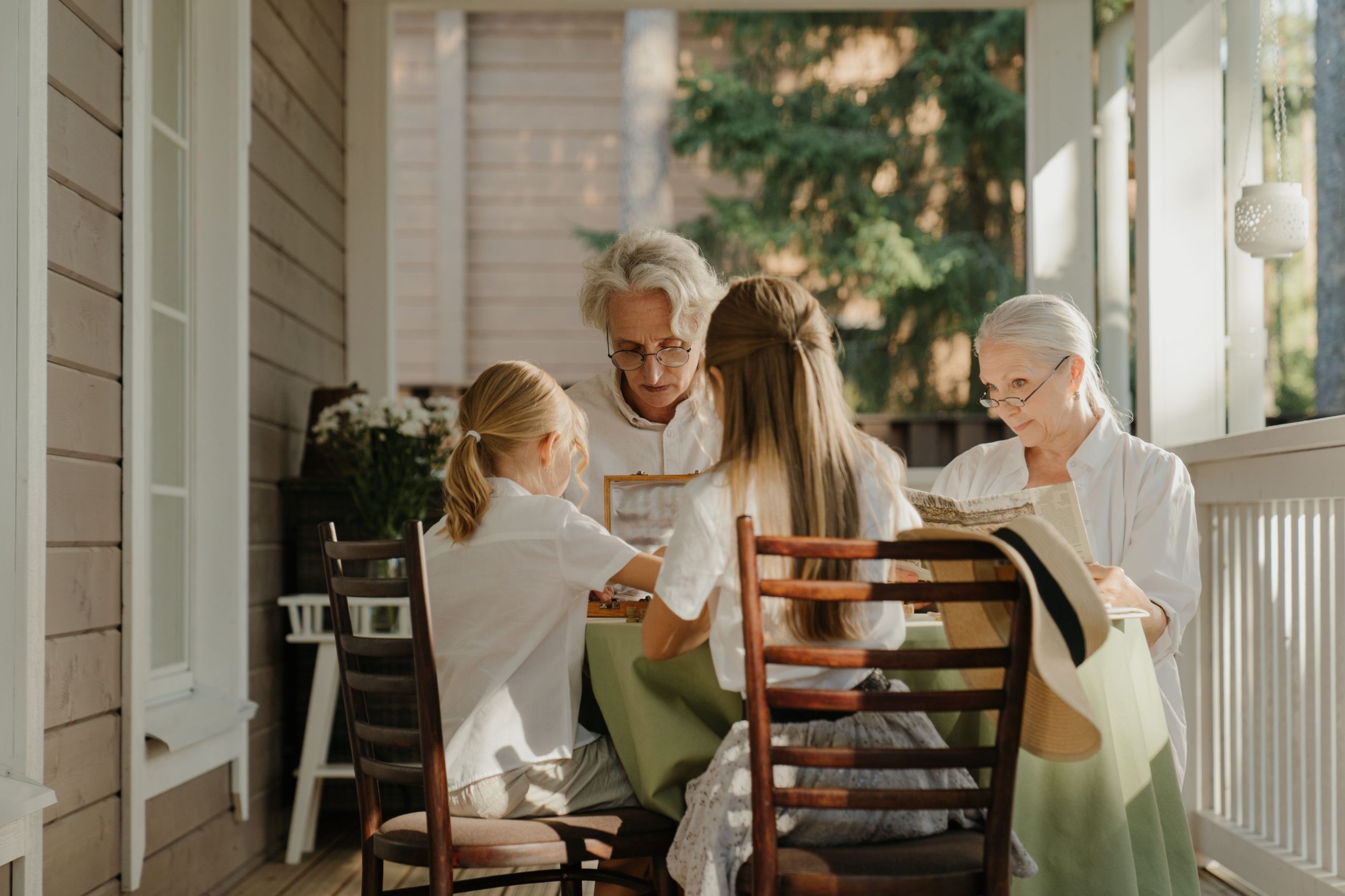
Grandma hears the grandchildren in the hallway every morning. Grandpa is there when everyone comes home in the evening. They share meals, birthdays and the everyday activities of family life.
From the outside, it looks as though they are never alone. Yet the hours between when people leave for school or work and when they return home can be long and quiet.
When parents move in with their adult children abroad, proximity to family is precious. However, this does not mean their need for companionship, independence and their own routine is automatically met.
What the research shows
A qualitative study published online in Aging & Mental Health in May 2025 examined the experiences of nine older African immigrants living in the United States. The participants were aged between 69 and 84 and lived with their adult children.
They reported feeling lonely despite having family around. While grandchildren brought them joy, they also needed social contact, activities and places they could visit independently.
The study was small, and the findings cannot be generalised to all older people or South African families. However, it does give us reason to ask more than just, “Is there someone with Mom and Dad?”
One also needs one’s own world
Older people have a lifetime of friendships, interests, habits, and community involvement. When they move to another country, it is not always easy to find a place for these things again.
Someone who previously did their own shopping and visited friends might suddenly have to ask for transport. An unfamiliar environment or a local language they are still getting to know can make even simple tasks more difficult.
Living with your children also means becoming part of a household with its own routine. The children work, the grandchildren go to school and everyone’s time is limited. A parent can feel isolated, even when the family cares deeply about them.
Think about this before you start living together
Deciding to live with children abroad affects everyone in the household. Therefore, have an open discussion beforehand about more than just where Grandma and Grandpa will sleep:
- Accommodation and privacy: Is there enough space for everyone to be alone at times? Which parts of the house and which times are private?
- Money and practical arrangements: Who pays for accommodation, groceries, transport and other daily expenses? Discuss expectations before this becomes a source of tension.
- Health and access to help: Find out how they will access local health services, especially if they require regular care or medication.
- Transport and independence: Will they be able to get to shops, activities and appointments on their own, or will they be dependent on the children?
- Roles at home: Discuss how much help with grandchildren or household chores each person would like to provide and what the family expects. Being a grandparent should not automatically become a full-time caregiving role.
- A social life of one’s own: Are there realistic opportunities to make friends, pursue interests and have contact with people of their own age?
- A plan for when things don’t work out: What will you do if the living arrangement becomes difficult for someone? Discussing this beforehand can make it easier to speak honestly later on.
Practical requirements for residence and access to services vary from country to country. Ensure that the family checks this in good time for their specific destination.
Start with their own needs
Ask: “What do you miss about your normal day?” or “What would you like to do more of on your own?” The answer might be simple: regular conversation with someone of their own age, a visit to the library or the freedom to do some shopping independently.
Involve older family members in the choices. Not everyone wants to join a large group and not every activity offered to older people suits their interests.
Possible starting points include a church, a craft group, a gardening club or a walking group; regular get-togethers with a peer; or assistance in getting to know local transport and routes. Staying in touch with friends and family in South Africa can also be valuable.
More than being a grandparent
The relationship with grandchildren can be special. However, grandmothers and grandfathers also have an identity beyond babysitting and helping around the house.
Make room for their preferences, privacy and personal time. Ask for their input on household arrangements and let them indicate what they would like to help with. Feeling needed can be meaningful, but having choices is equally important.
For South African families living abroad, community networks can help locate contacts and activities. AfriForum Worldwide’s World Guide can serve as a starting point for exploring local organisations and services.
What activity or friendship made a difference for your parents or grandparents? Feel free to share your tips with other families.
Share on

Latest articles