

Your child’s new reality after emigration: what parents should keep in mind

When your child emigrates, a new chapter begins not only for them, but also for you. You see the smiles in photos and hear about new adventures, but behind every new experience lies adjustment, uncertainty and growth. To understand and support their new reality, you need to know more about the world they now live in.
1. Healthcare is different
In South Africa it is simple: You know your GP, and the different medical aids operate more or less the same. In a new country things are often more complex. Your child needs to learn how health insurance works there, where to get help and how hospitals operate.
In countries like the UK or Canada there are often long waiting lists for specialists, while medical care in other countries can be very expensive if you don’t have insurance. Even if the care is of high quality, the systems can feel strange: less personal, more administrative and sometimes limited by strict procedures.
For women who fall pregnant in a new country, these differences can be particularly stark. In South Africa, expectant mothers are used to choosing their own gynaecologist, having regular scans and experiencing the process very personally. In many other countries, the system works differently: you are likely to be treated by a team of midwives, only see a doctor if there are complications and the hospital system determines your birth options. The experience is not necessarily worse; just different.
As a parent, you can help by listening rather than comparing. Ask questions, show interest, and don’t be afraid if things don’t go as they did in South Africa. It can be reassuring for your child to know that you are trying to understand, even if their path now seems different from the one you walked.
Empathy begins with understanding, and understanding grows when we take the time to get to know their new reality.

2. Cultural adjustment takes time
The things your child once took for granted – a friendly greeting, braai on Saturdays and Afrikaans in the shop – are now different. In their new environment, they need to learn how people communicate and work, and to understand local humour.
Culture shock often comes in stages: first excitement, then frustration or longing, and finally adjustment. Remember that this emotional cycle is normal. Help them keep perspective and remind them that it takes time to adjust.
3. Work: New rhythms and different expectations
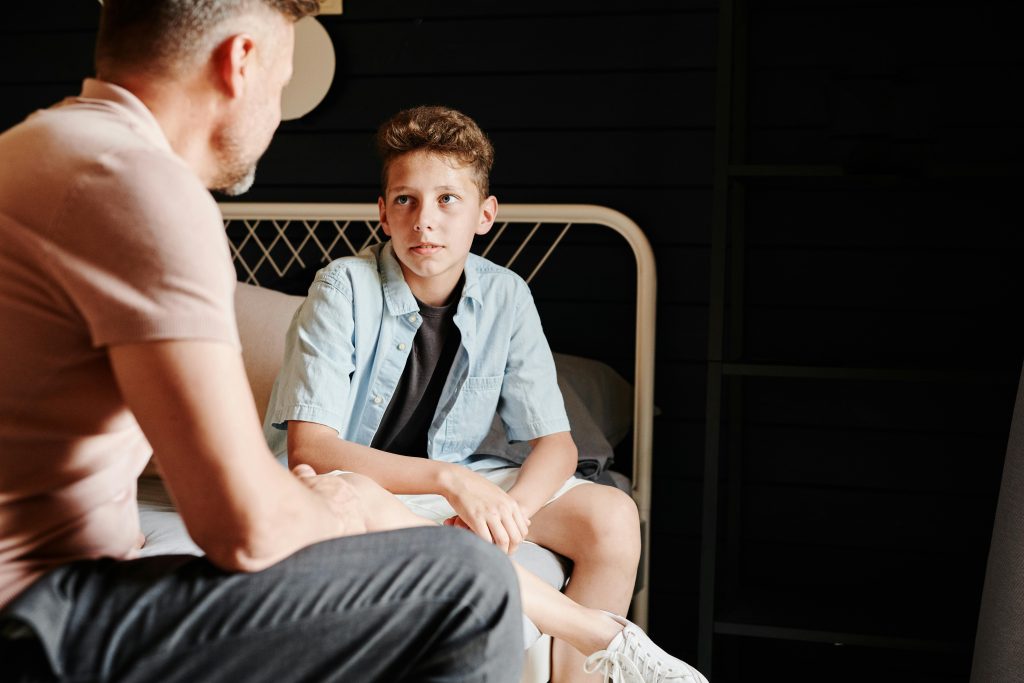
Working in a new country requires more than just a new contract. It requires adjusting to culture, communication and expectations. Many South Africans are used to long hours, a strong hierarchy and a get-it-done attitude. In other countries, work culture might be more formal or, conversely, more relaxed. Employers may expect you to confirm everything by email, not to send messages after hours, or to openly share your opinions in meetings – something that may feel uncomfortable for some people at first.
Your child needs to learn to find that balance: remaining professional, but also maintaining their adaptability and work ethic. As a parent, it helps to show interest rather than giving advice based on “how we do it here.” Every system has its own rhythm.

4. School: a new world for the younger generation
For children and teenagers, school is often the most important place where cultural differences become apparent. They have to master new ways of learning and different systems of discipline. In many countries, children are encouraged to be more independent: to ask questions, express opinions and think creatively. For a child used to the strict South African education structure, this can feel strange at first.
Language is often the biggest challenge. Even if a child understands a new language well, it will take time for them to feel comfortable enough to express themselves emotionally in it. This may cause them to become quiet or seem withdrawn, but this is just part of the adjustment.
As parent or grandparent you can help by showing interest in their new school life, but always remind them of their roots: the stories, humour and ways of thinking that make them unique.
5. Making new friends and building a support network takes time
When someone moves, it’s not only their address that changes, their whole frame of reference shifts. The people and routines that used to form part of their daily lives stay behind: the friend that used to pop in for coffee, the neighbour who always helps with a flat tyre, the family who are close when you need them the most.
To re-establish such a community in a new country takes time – sometimes years. In the beginning there is often a silence between the smiles you see on photos. Loneliness is disguised behind new experiences and beautiful views. It is the unexpected moments – a sick child, a birthday, a Sunday morning without family – that makes the distance feel real.
As parent or grandparent you can help by being a safe haven without expectations or judgement. It is better to send a message of love than a list with advice. Don’t ask if they are adjusting yet; rather ask how they are feeling today. Your patience, understanding and interest will help to build the bridge, it will take time but it will become something that lasts.

6. Stay open for their new world
It helps if you as a parent or grandparent is inquisitive about their new life. Ask questions about how things work there: their neighbourhood, friends, work or the everyday things that have now become normal to them.
When you listen with an open mind, you give your child or grandchild the space to share their new life with you without feeling guilty or fearing comparison. It builds trust and a close relationship even if there is distance between you.
Emigration doesn’t change your child’s love for their family, it just changes the context in which they express that love. As a parent, you can help by showing understanding through patience, respect, and unconditional love, rather than making comparisons.

AfriForum Worldwide realises that emigration is not only about distance; it is about people, families and the connections that continue to exist; even when the whole world is changing around us. We share stories, research and honest conversations that help you to understand the reality of your child or grandchild’s new life. On www.wereldwyd.co.za you can find inspiration, practical advice and stories about our people all around the world, all with the aim of building understanding, togetherness and hope between loved ones. Because even though addresses change, we remain part of the same community: one that spans borders, but still shares the same heartbeat.
Also read: What happens if you don’t have a village?
Share on

Latest articles