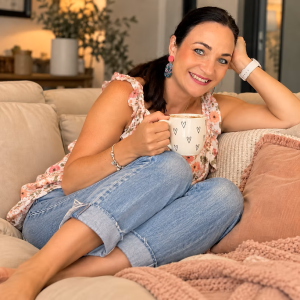
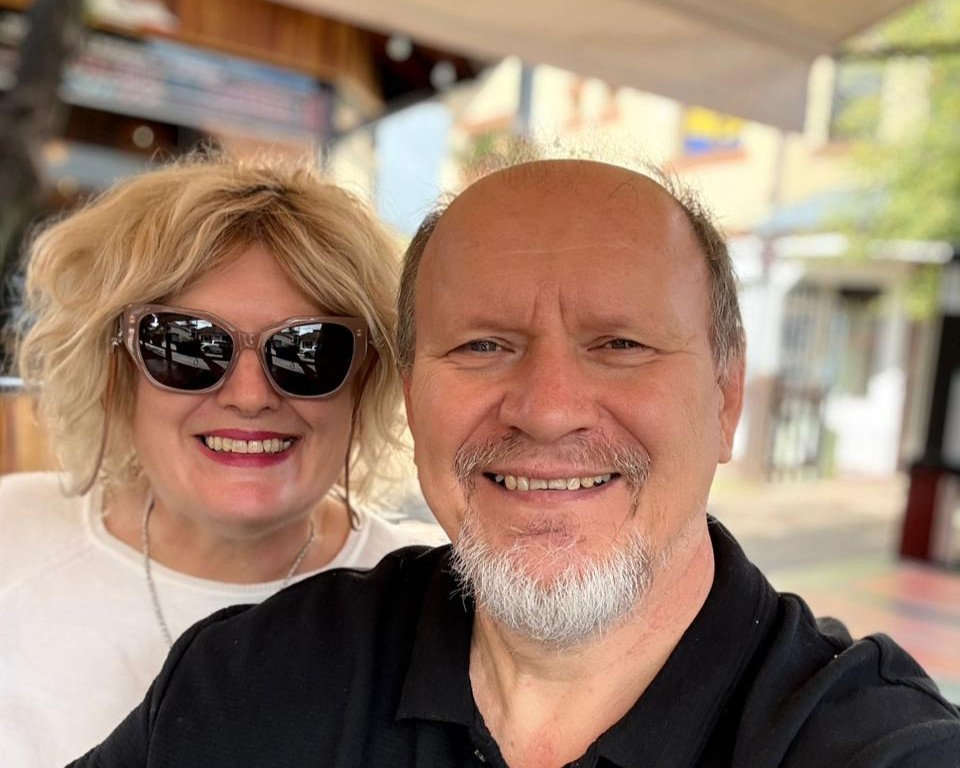
Out and about is a column where we talk to people who currently live abroad, or who used to live and work there. This week we talk to Nelieta van der Merwe, who lives in Argentina.
Hallo Nelieta, it is very nice to talk to you!
Where in South Africa are you from and why did you decide to live in Argentina?
I am originally from Vanderbijlpark but lived and worked in the Johannesburg area for many years. In December 2007 I remarried, and my husband had already lived in Argentina for nine years.
My time in the corporate world made me realise how BEE would influence the future, and it made me think of a different path – to build and manage a guesthouse myself. Argentina seemed like a good choice at that time: the climate is similar to South Africa’s and it felt safe.
I did not leave South Africa because I hated the country. On the contrary, it was a strategic decision – a chance for a new start and to build a future in another country, perhaps even for my children should they decide to come here one day.
Tell me more about your family
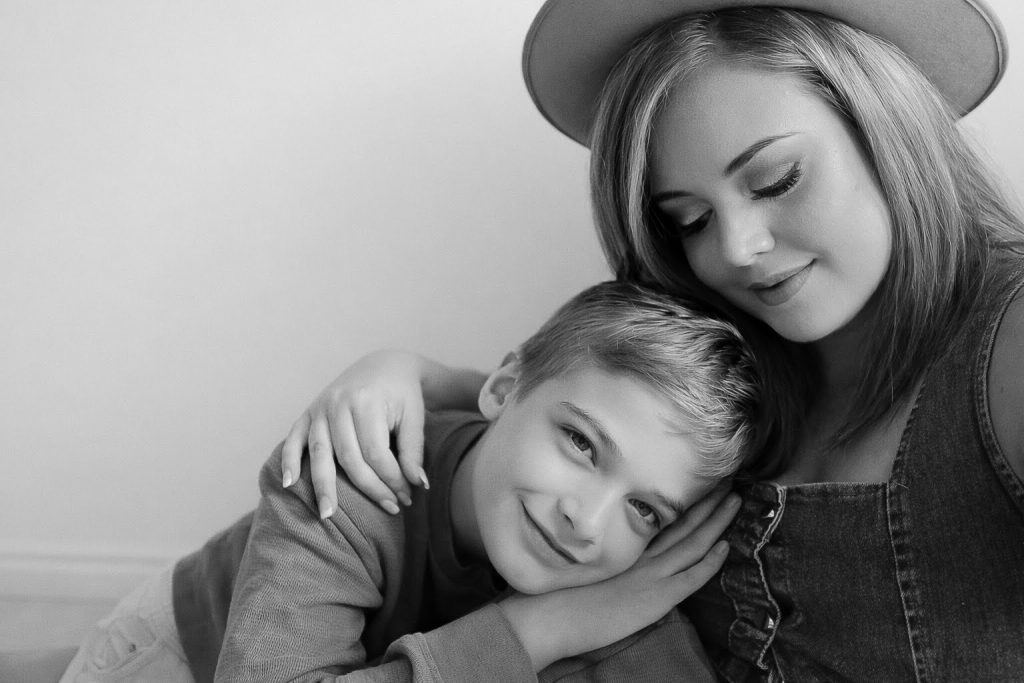
I am the proud mother of two beautiful daughters, and the grandmother of two grandchildren. The all still live in South Africa, and I miss them very much. Here in Argentina, we have no family – it is just me and my husband. He does not have children and neither do we.
We are godparents to two sons who enrich a large part of our lives here. One lives just around the corner from us, and the other one in Buenos Aires.
Tel us a little more about your work. What does a typical day look like? Is life more peaceful there?
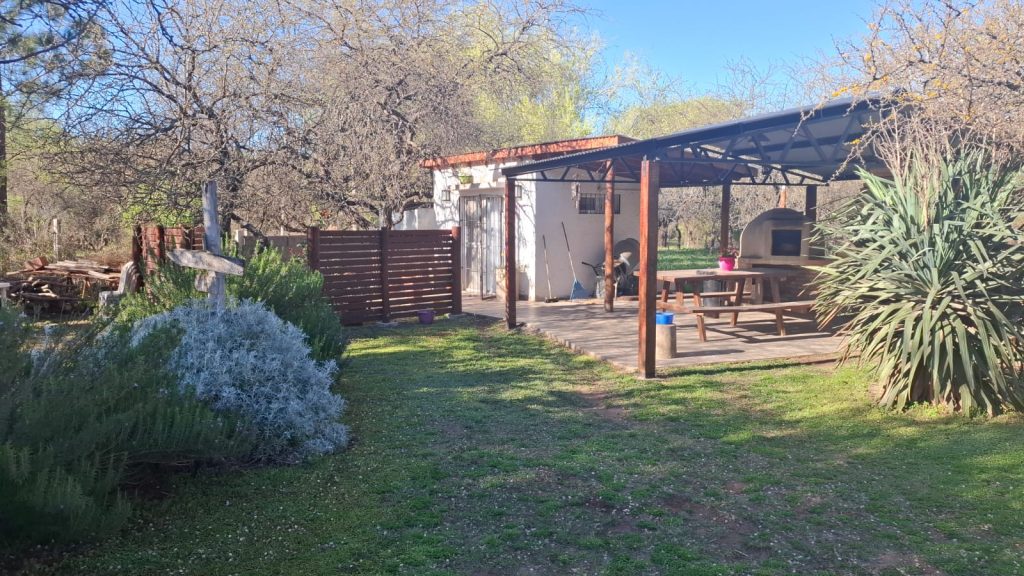
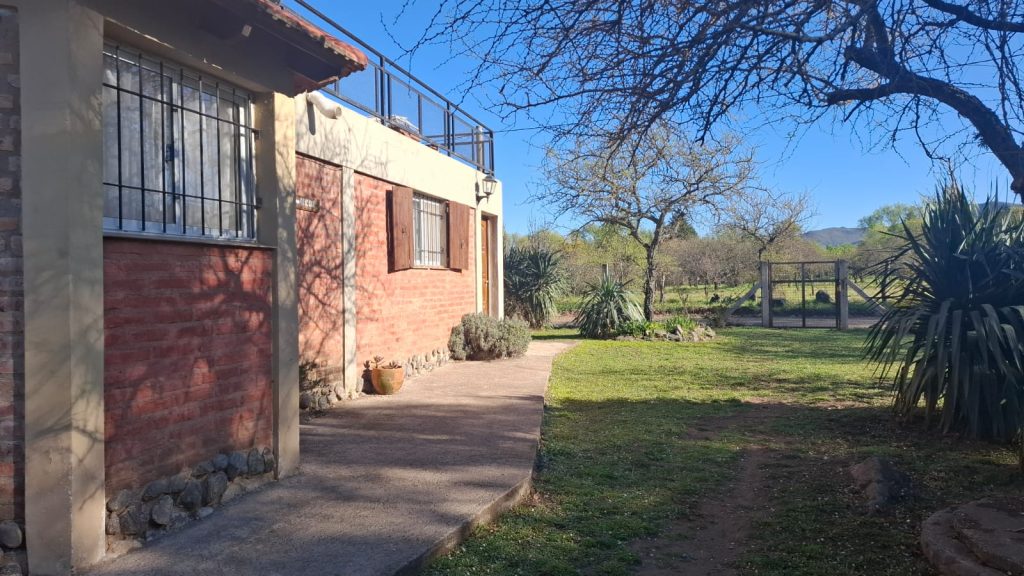
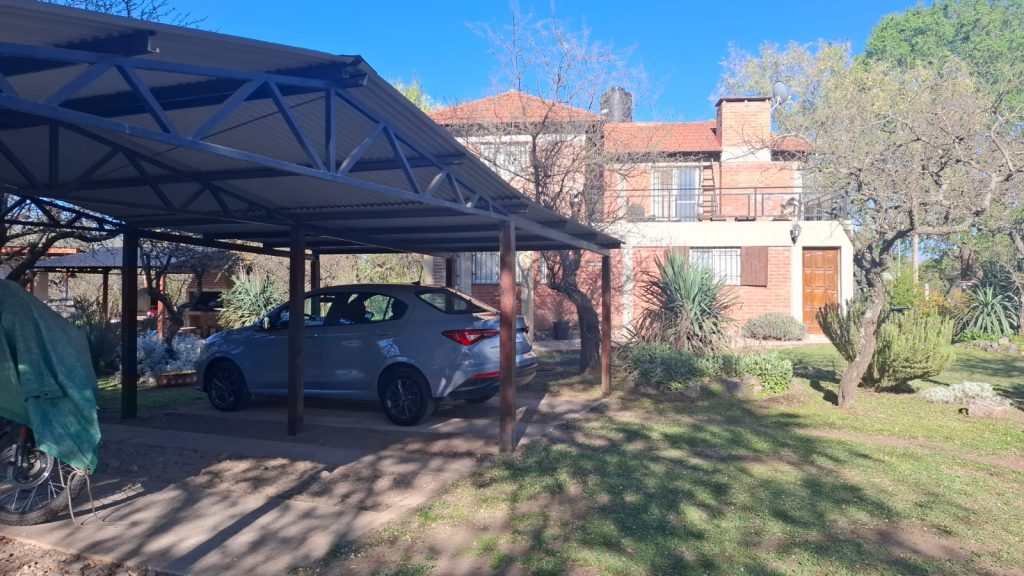
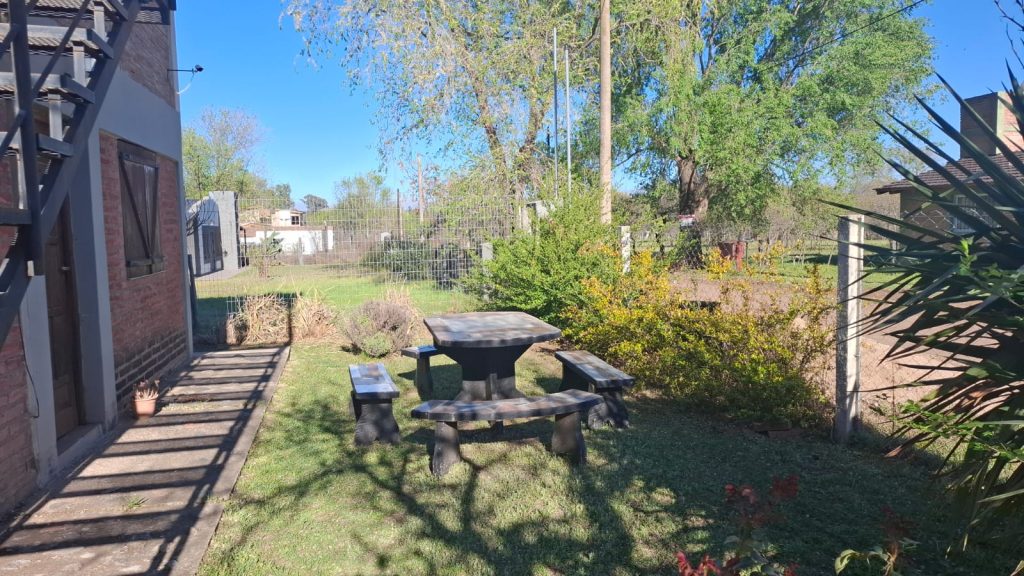
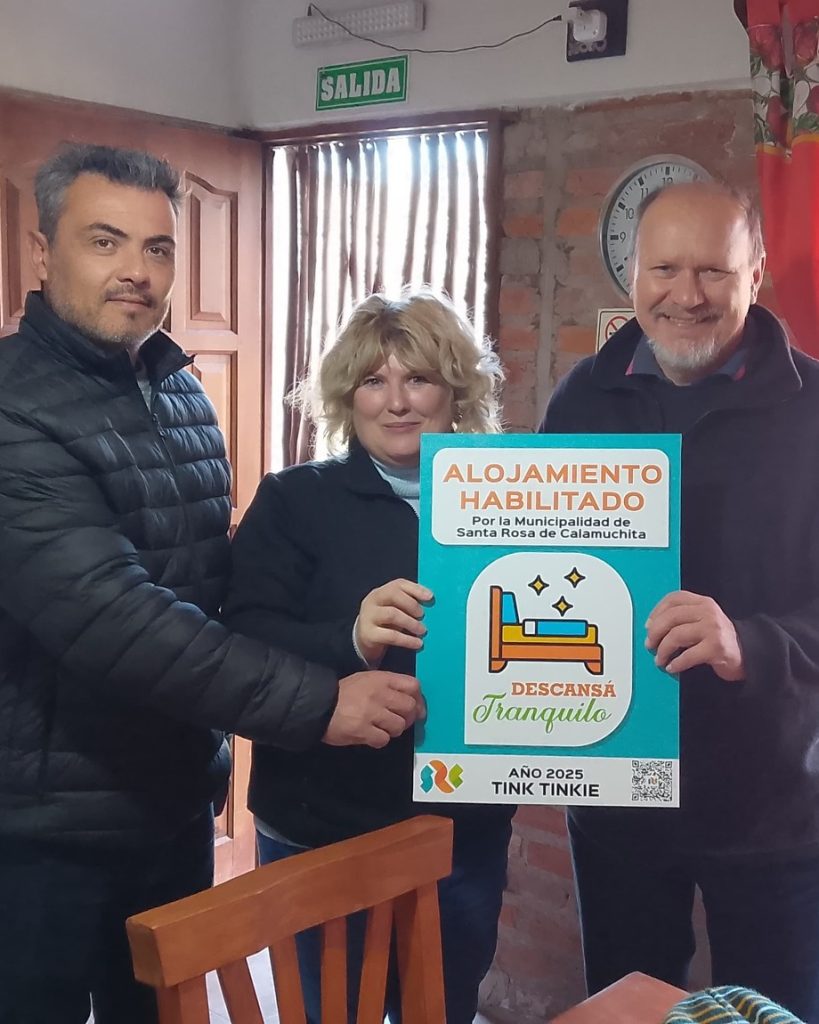
We own and run a small guesthouse, Posada Tinktinkie, in Santa Rosa de Calamuchita, Córdoba. We live in a small tourist town where long weekends and holiday seasons are always busy, but the rest of the year brings silence and quiet – a chance to breathe and have time for ourselves.
Six years ago, I started designing digital clothing for the video game market. What started out as a hobby has since grown to a full-time job. I own an online store at Daz Studio in America, where I work under the name “Nelmi”. My husband focuses more on running the guesthouse, while I dedicate my time to digital design.
Our life is therefore a balance between the hospitality of the Posada and the creative world of design – two worlds that complement each other beautifully.
Life here is quiet and simple. My day normally begins at eight in the morning. By lunchtime I make time for the gymnasium, and sometimes also for a siesta – something that is almost sacred in Argentina. Then I work again until seven in the evening.
We do not travel much within Argentina, but I go back to South Africa twice a year. Last year I stayed for three months, explored the Cape and even visited Zanzibar. These trips keep me connected to my roots.
Did you easily make friends and integrate into the community?
When I started to learn Spanish, it was a big challenge. I still make mistakes, but it does not bother anyone – on the contrary, it often provides laughter and light moments.
What struck me from the start is how friendly people are here. Yet it takes time to build deep friendships with people who share the same interests and with whom you can talk about deeper things.
I easily integrated into the community, but I did not form strong bonds with foreigners who were only living here temporarily. Our circle of friends is small, but very close – the kind of people you can call in the middle of the night and know that they will show up to help.
What was the strangest thing to get used to?
The language was certainly my biggest challenge. Then I had to get used to the siesta culture, where shops close between one and five so people can rest.
The late meals, the sleeping late and the slower rhythm of the village showed me that life flows differently here. But the biggest test for your patience is the economy. Every few years it feels as if everything starts over again and nothing stays stable for long. With time, however, you learn to adapt and live with the changes.
What interesting things about Argentina surprised you?
In South Africa we are used to one shop selling everything. Here it works differently: the butcher only sells meat, the greengrocer only vegetables and the pharmacy only medicine.
Another thing that struck me was how strong the entrepreneurial spirit of South Africans in fact is. We are used to making plans, earning extra money and finding creative solutions. Here people do things their own way – whether it feels logical or not. It taught me to be more patient and to accept that there is more than one way to move through life.
What lessons have you learned since you moved?
I have been in Argentina for eighteen years now, and the experience has changed me. I have had to learn to scale down and make do with less. I have realised that no job is ever beneath you – you do what is necessary.
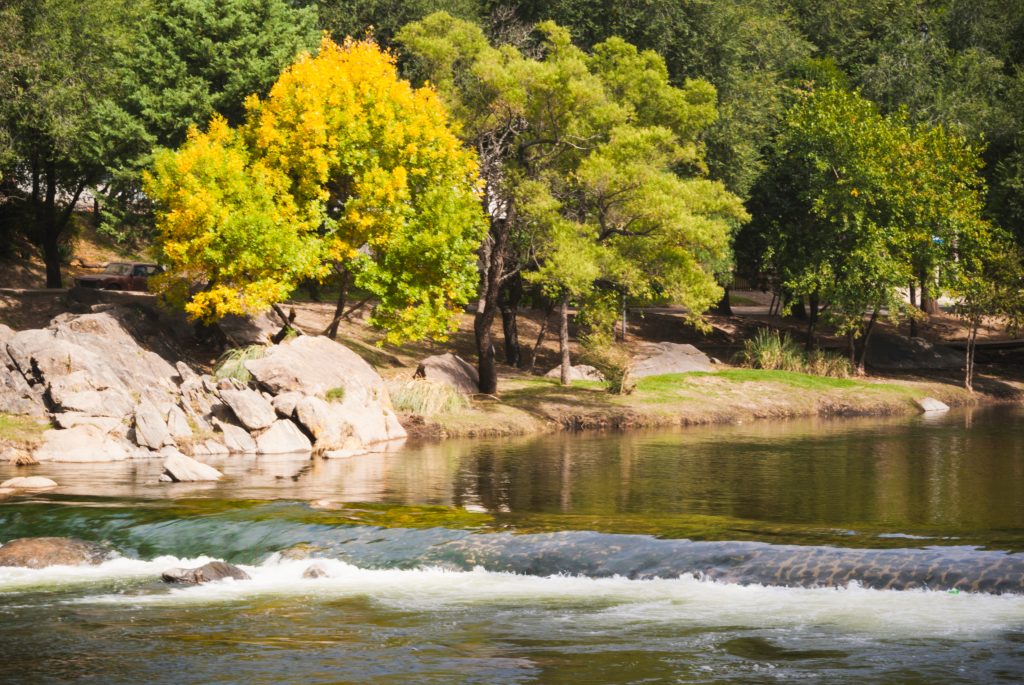
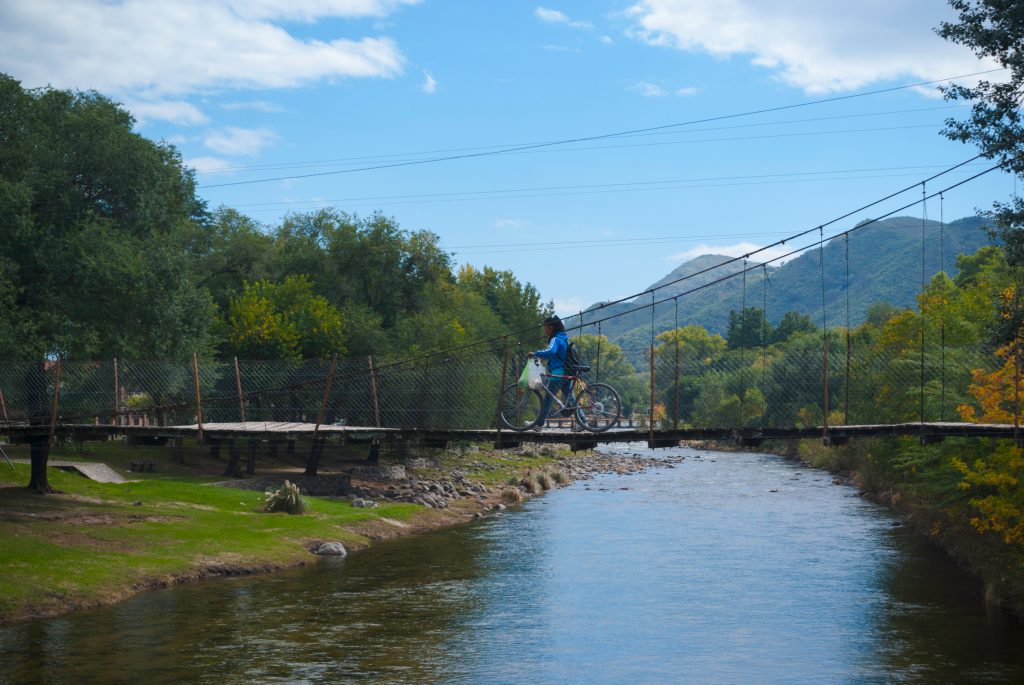
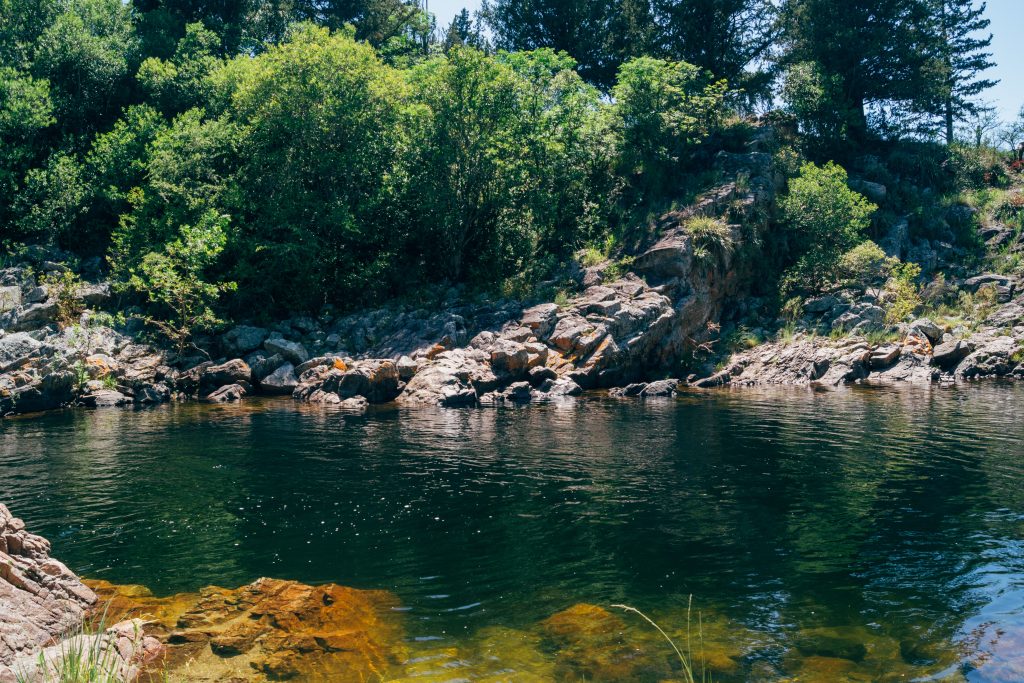
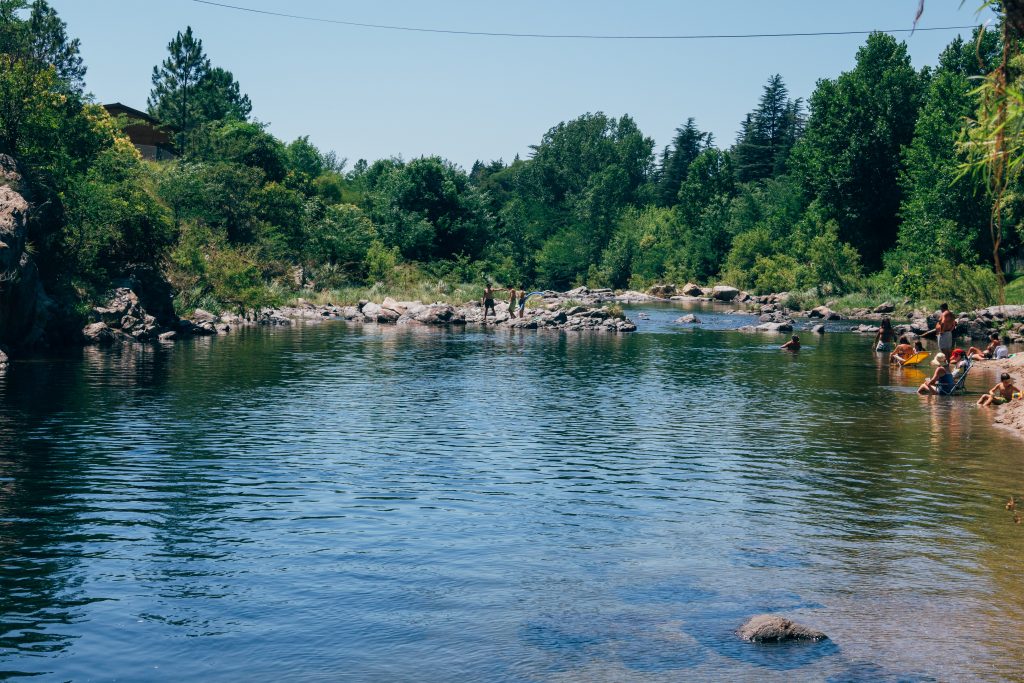
I now appreciate the little things: nature, the silence, the birds singing and the sound of the river. We life debt free, only buy what we need and save for what we cannot immediately afford.
I also learned that it is not the expensive plates or the perfect house that makes togetherness special, but the people around the table.
Here I became more in touch with my own feelings – to honestly say when I miss South Africa or when the longing becomes heavy. Argentina taught me to bend without breaking, to embrace simplicity and to reinvent myself time and time again.
Do you still speak Afrikaans?
My husband does not speak Afrikaans, but I still speak Afrikaans with my family and friends. In our house four languages flow together. Sometimes we jump from one language to another without even realising it. It gives colour and character to our daily lives.
What is your favourite memory of South Africa?
Wimpy is my number one for sure! When I land, it is the first place I go – for a Wimpy coffee and Cheese Griller breakfast that instantly takes me back to my childhood.
South Africa has changed a lot, and every time I go back, I feel both at home and strange. There are still the familiar smells, people and landscapes that make me feel like I belong there. But there are also moments where I feel like an outsider.
What I always appreciate, is the friendliness of South Africans – those spontaneous chats and warmth that are hard to find elsewhere. It reminds me that homecoming is not just a place, but also a feeling.
Are there any South African shops or products available near you?
Unfortunately, there is nothing truly South African here. Every time when I return, I bring back rooibos tea, biltong, packets of sauces, coffee, NikNaks and of course clothes.
I especially enjoy buying clothes in South Africa – you can just walk in and find something that fits, without all the trouble I sometimes experience here.
What would you call your emigration chapter?
Between two homes
What would you say is the biggest change in you since you emigrated?
The biggest change is that I now see my life as part of a bigger plan. I firmly believe that God has mapped out my path and that I came here for a purpose.
I would like to be closer to my children and my grandchildren, but I also understand that everyone walks their own path – and that I have changed over the years.
This journey gave me a new identity: not just as a South African, but as someone who lives between two worlds and can be at home in both. It taught me inner strength and showed me that I am exactly where I need to be.
Is there anything else that you would like to share?
Looking back, I would have done some things differently – been more patient and handled the paperwork better. It would have saved me a lot of frustration.
But would you do it again? Definitely.
I look back and say: I did it. I was scared at times, but I was brave. I grew, changed and discovered that I am much stronger than I ever thought.
Share your story with us
Every experience is unique – whether it is about your work, adjustment, culture, family or just your everyday life.
AfriForum Worldwide offers a space where your perspective makes sense to others who may be walking similar paths
Also read: Out and about: an email from Adelaide
Share on

Latest articles