

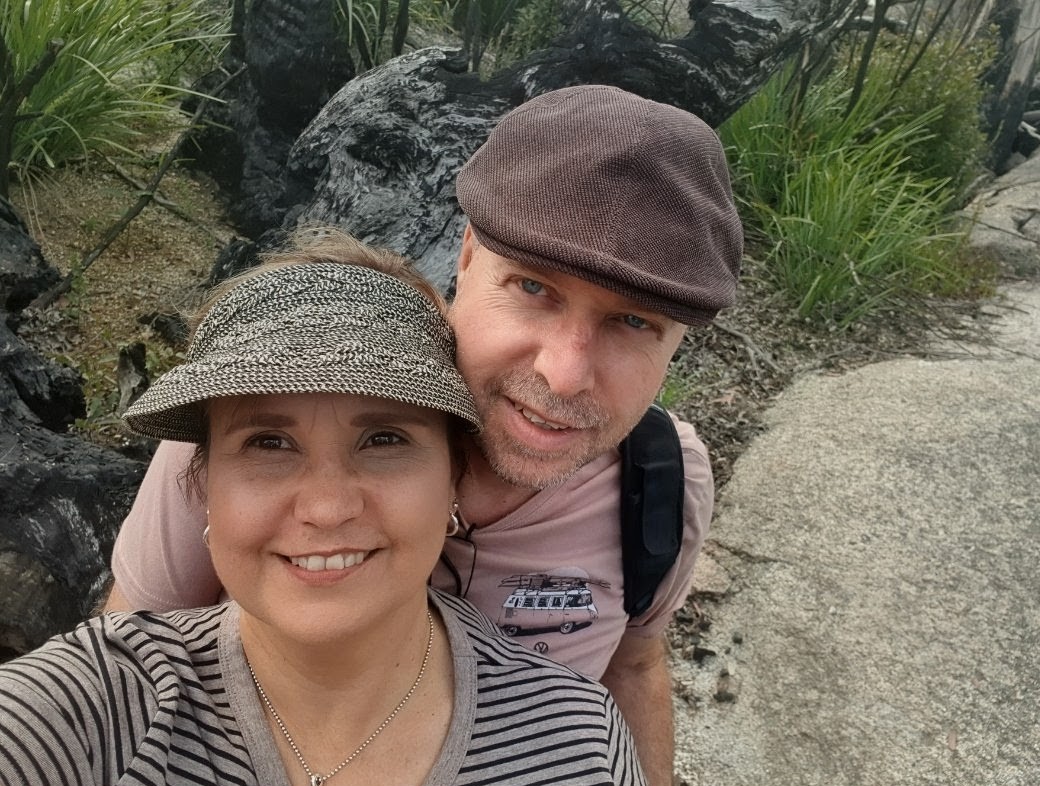
Out and about is a column where we chat with people who currently live abroad or who previously lived and worked there. This week we chat to Heléne Schoonwinkel who lives in Australia.
Hello Heléne, it is very nice talking to you!
Where in South Africa are you from and why did you decide to move to Australia?
My husband and I grew up in Pretoria and later lived in Vanderbijlpark and Richards Bay, where we raised our children. Richards Bay still feels like “home” to them today.
In 2006 we started thinking about emigration, mainly for better job opportunities and a more secure future for our children. By 2007 the opportunity unexpectedly arose and on 21 April 2007 we left South Africa. Two days later we landed in Brisbane and that evening arrived in Mackay where our new chapter began.
Tell us more about your family.
Johan and I both turn 60 this year. We have two children and two grandsons who bring great joy to our lives.
Our son, Arno, (33), works on a rescue helicopter team in Queensland where he lives with this wife and their five-year-old son. Our daughter, Elmé (31), also lives in the Mackay area with her partner and their baby.
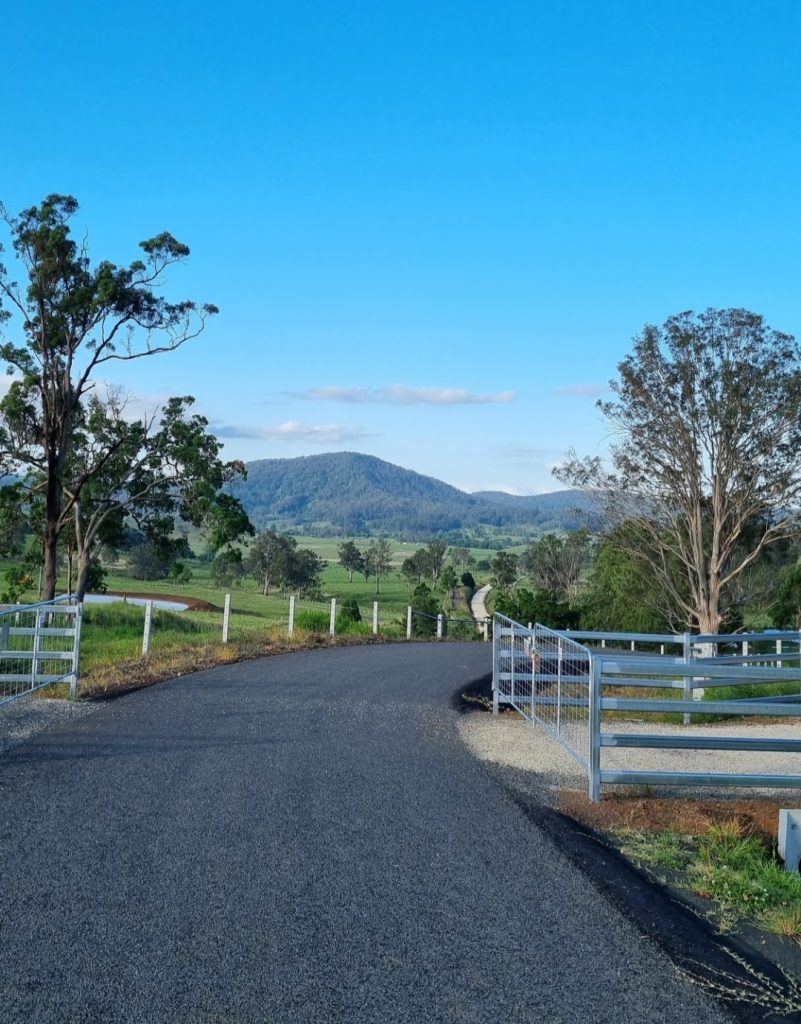
Johan and I currently live in Casino, a small rural town in New South Wales, where we both work for the local government. We moved here about ten years ago for work, which meant our children stayed behind in Mackay. Other than emigration, it was probably the hardest decision we have ever had to make.
Tell us more about your work and life there.
I manage the local City Council’s assets on their asset register, GIS and mapping systems, while Johan works as water and sewer engineer. We work on a “9-day fortnight”, which means we get a long weekend every other week.
Because we immigrated later in life, we know that we will probably retire later. In Australia the retirement age is currently 67.
Life here is not necessarily calmer. People are still rushing and are still stressed, even though Aussies generally have a more relaxed mindset.
Did you make new friends easily?
Mackay was a wonderful place for us to settle. The tropical climate reminded us of Richards Bay and that made the adjustment easier. We quickly settled in, made good friends and became part of a large South African community and church.
Casino is different, however. It is a smaller, tight-knit community where it is harder to really integrate, especially without school-going children. We have good work friendships, but much of our social life remain in Mackay where our children, grandchildren and close friends are.
What has been the biggest adjustment for you?
The distance from family was difficult, but the biggest adjustment was that we could no longer get in the car and go visit for a weekend.
What caught me off guard the most, however, was the Australian English. They swallow words, shorten everything and speak incredibly fast. Sharon becomes “Shaz” and Warren becomes “Wazza”. When I started working in customer service, I was very nervous, but with time your confidence grows. Before you know it, you also start abbreviating – even if you never completely sound like an Aussie!
What lessons did you as family learn?
Immigration is not always moonlight and roses. No matter where you live – a place eventually becomes just the place where you work, eat, sleep and start over every day.
Our faith carried us through difficult times. Our family is very close, and our values remain important to us. Even though our children now speak mostly English, they remain proudly South African and still want to pass on their culture and roots to their children.
What do your Afrikaans roots mean to you?
I lived in South Africa for 40 years and even though I am now an Aussie, I remain deeply South African. I am proud of my accent and hope I never lose it.
Our children mostly respond in English when we speak Afrikaans, which causes quite interesting moments when people only understand half of the conversation!
What is your favourite memory of South Africa?
Thers is nothing like a South African sunset over the bushveld or game reserves. Nowhere else do you find the same natural beauty, wildlife and vegetation. And then of course there are the Cape mountains.
When South Africa is in your blood, it stays there forever.
Do you still get South African products there?
Yes, there are South African shops in Brisbane and Mackay where we sometimes buy some of our favourites like chutney, Tennis biscuits and rusks. Fortunately, my husband makes his own biltong.
However, I learned to adapt a long time ago. If you do not learn to fit in, emigration is going to be difficult. Adaptation is simply part of the process.
What would you call your emigration chapter?
“From enduring to coming home.”
When we closed the shipping container, we realised: this is all we have now. We said goodbye, got on the plane, and started a new life.
Today, 19 years later, we realise how quickly time has flown by. The Lord has carried us, shaped us, and made us stronger. It has not been easy, but it has also been an incredible privilege to raise our children here – in a country where they experience more opportunities and greater security.
Yes, Australia has it problems too, but there is still respect for people’s lives and a sense that citizens have value. One day you realise: somewhere along the road Australia also became home.
What is the biggest change in yourself since you emigrated?
I no longer live in constant fear that someone is going to break into my house or rob me. I no longer have to worry about who is watching me at a parking lot or ATM.
Crime and people who suffer also exist here, but it is not the same as in South Africa. Towns and cities are looked after, roads are repaired and municipalities really provide services.
I have learned what it feels like to be safe – to walk to the beach, leave my flip-flops by the steps and know they will still be there when I return. It is an incredible freedom.
What advice do you have for others considering emigration?
Be prepared: Emigration is expensive and life in Australia is not cheap. House prices are high and medical cost can also be a big adjustment.
Do not constantly work everything back to rands. Even if certain goods are more expensive, income and purchasing power are also different.
Do thorough research, be realistic about the challenges and do not think that emigration will solve all your problems.
The best advice I can give is: Go in with open eyes, good preparation and faith. Without faith and adaptation, the road becomes difficult. With that, even the endurance becomes bearable.
Share on

Latest articles