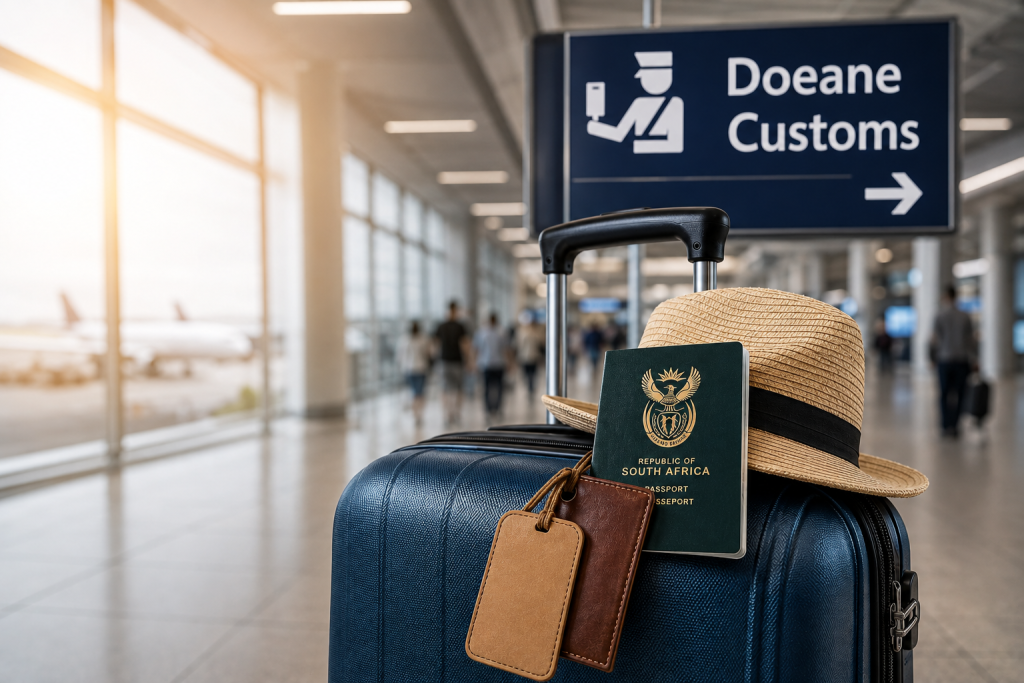


What every South African abroad needs to know about Home Affairs – practical advice for South Africans abroad

By Sue-Ann de Wet
For many South Africans abroad, a visit to Home Affairs is something they hope to postpone for as long as possible. Yet your South African documents remain important, whether you live in Australia, Canada, the UK, the Netherlands or New Zealand.
An expired passport, a lost marriage certificate or registering a child who was born abroad can quickly become a complicated process if you do not know where to start.
The good news is that the Department of Home Affairs has made several digital improvements over the past few years that make some processes easier. However, there are still challenges and waiting times that South Africans who are abroad should be aware of.
1. Do not wait until your passport expires
One of the biggest mistakes that expats make is waiting until their passport has already expired before they start applying for a new one. In some countries, waiting times can be longer than expected. In addition, certain visa and travel processes require that your passport be valid for at least another six months.
It is wise to check the requirements and waiting times in your country of residence 12 months before your passport is due to expire.
2. Keep your civil documents safe
Certain documents may be needed unexpectedly years later:
- birth certificates
- marriage certificates
- divorce decrees
- death certificates
- name change documents.
Many South Africans only discover during citizenship, pension, tax or inheritance processes that they no longer have access to these documents. Keep electronic copies on a secure online platform and store the original documents in a safe place.
3. Children who are born abroad
When a South African child is born abroad, it is important to find out in advance how the birth should be registered with the South African authorities. Requirements may vary, depending on the country in which the child was born and the status of the parents.
It is therefore advisable to contact the nearest South African embassy or consulate as early as possible to avoid unnecessary delays.
4. The new digital direction of Home Affairs
The Department of Home Affairs is currently engaged in a major digital transformation. The aim is to do away with paper-based processes towards an integrated, digital identity system. In the future, more services should be available electronically, which can reduce waiting times and administrative challenges.
Although many of these changes are still being implemented systematically, it is a good idea to keep an eye on the Department’s official announcements, as they may ultimately also benefit South Africans abroad.
5. Understand the role of embassies and consulates
Many people assume that an embassy can perform all Home Affairs services. In reality, services vary from country to country. Some embassies can process passport applications, while others can only handle certain documents and must forward applications to South Africa.
Check exactly what services your nearest South African embassy or consulate offers before you travel or submit documents.
6. Plan for waiting times
Even with new technology, waiting times are sometimes unavoidable. Start the process sooner rather than later if you
- want to travel,
- need to renew a visa,
- apply for citizenship in another country or
- need documents for an inheritance process.
Much of the stress that South Africans experience does not arise because the process is impossible, but because there is too little time when the document is finally needed.
7. Make sure your details match
One of the most common reasons for delays is when names, surnames, dates of birth or identity numbers do not match on the different documents.
This often occurs when
- marriages are registered,
- surnames change,
- dual citizenship is involved or
- old documents are used.
It is worth comparing your important documents from time to time and making sure that all details match everywhere.
8. Stay up to date with changes
Home Affairs processes change regularly. What was true five years ago is not necessarily still true today. That is why it is important to
- follow the official Home Affairs channels,
- regularly visit the website of your nearest South African embassy or consulate, and
- keep an eye on reliable diaspora platforms that share practical information for South Africans who live abroad.
A final thought
For many emigrants, Home Affairs is a place they only think of when a problem arises. But a valid passport, correct documentation and timely planning can prevent a lot of stress.
Even if you live thousands of kilometres from South Africa, your South African documents remain part of your (administrative) identity. The better you manage them, the fewer surprises await you when you urgently need them one day.
Share on

Latest articles