

By Sue-Ann de Wet
There is something special that happens when you live far from the land of your birth.
In South Africa, you probably did not intentionally seek out other Afrikaans speakers or South Africans. Your family was close, your friends were part of your everyday life, and your culture was simply part of who you were.
But when you live in another country, something changes.
Suddenly it means a lot when you hear someone speaking Afrikaans. You smile at a familiar accent in the store or easily strike up a conversation with someone who understands where you come from. Not because you do not want to integrate into your new country, but because there is something special about people who share the same frame of reference.
It reminds you that, even though your address has changed, your roots are still part of your identity.
You understand each other without much explanation
There are certain things that are difficult to explain to someone who has not experienced it themselves.
Why a braai is more than just food. Why a rugby match brings people together. Why a well-known Afrikaans or South African song suddenly makes you emotional. Or why homesickness strikes unexpectedly when you smell or hear something that reminds you of home.
These shared experiences create a sense of connectedness that cannot be easily replaced.
Community makes it easier to adapt
Building a life in a new country means having to learn many things from scratch.
Which school works best? How does the healthcare system function? Where do you find reliable service providers? How does the local administration work?
People who have already been down this road can often offer advice you will not find anywhere else. They help you avoid mistakes, share practical tips, and often provide reassurance that the challenges you are struggling with are completely normal.
It is not just about information. It is about the reassurance that someone else understands.
Your children need it too
For children growing up abroad, identity is not formed automatically.
When they meet other families who speak Afrikaans, practise familiar traditions, or share the same cultural heritage, they realise that their language and origins are not something that exists only within their own home.
This helps them to know with pride where they come from, while at the same time getting to know their new country as their home.
Community carries you through difficult times
Nobody plans for difficult days.
But it is often precisely during times of illness, loss, financial pressure or simply longing that a community shows its true value.
Someone offering to pick up the kids from school. A family dropping off a hot meal. People praying together, listening or just making time for a cup of coffee.
When one is far from one’s family, these simple gestures often become invaluable support.
Stay connected with the people at home too
However, connectedness extends beyond the people who live near you.
For many people living abroad, family, friends and old ties in South Africa remain an important part of their lives. Intentionally nurturing those relationships helps keep your roots alive and reminds you and your children where you came from.
It can be as simple as regular video call appointments with grandma and grandpa, celebrating birthdays together online, exchanging photos and voice messages, or still taking an interest in what is happening at home.
Many families also discover that it is valuable to keep abreast of Afrikaans news, culture, music and community initiatives. This way, Afrikaans remains part of everyday life, even if you live thousands of kilometres away.
After all, connectedness is not just about geography. It is about relationships – with the people around you and with the people who still have a place in your heart and your history.
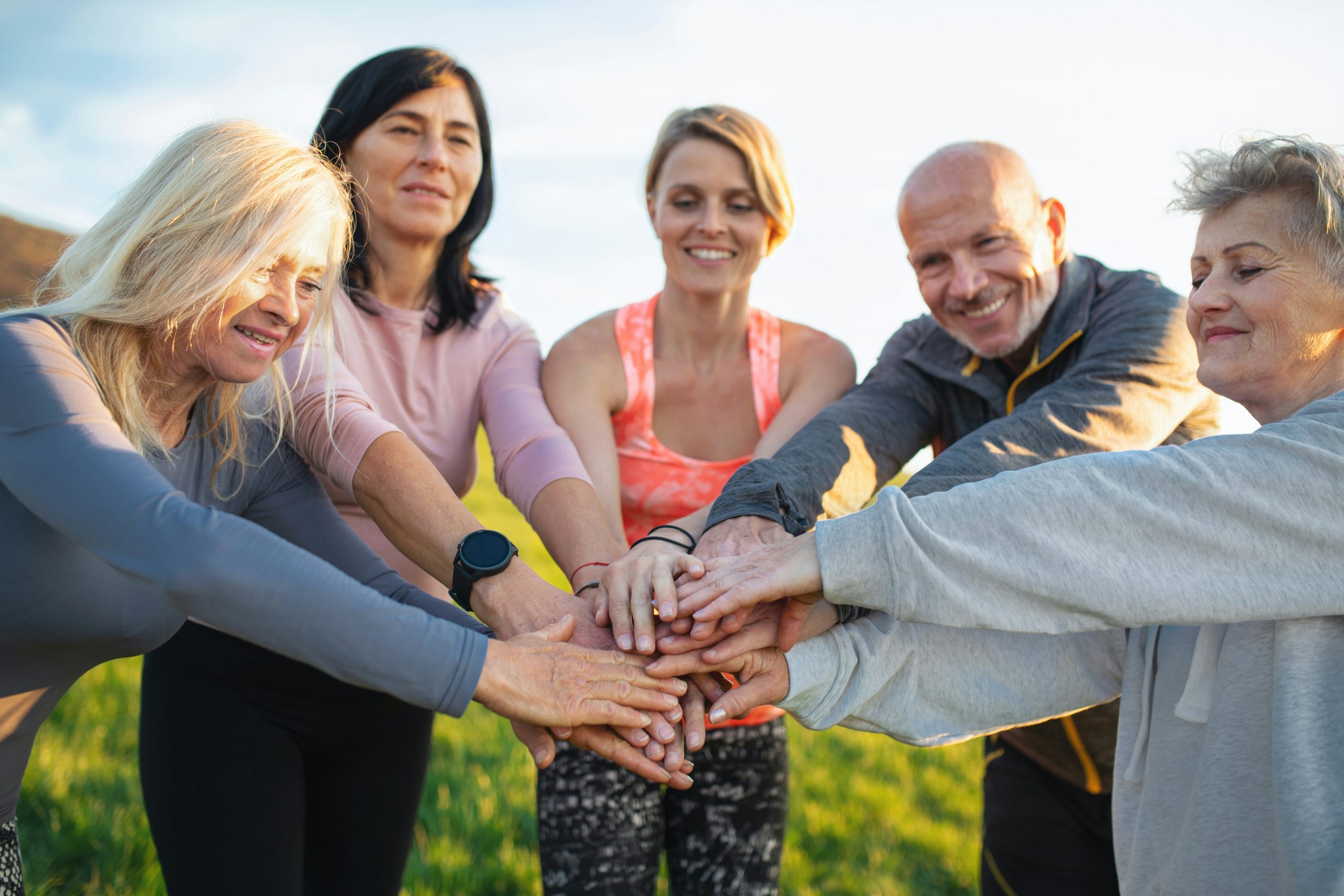
Community begins with one step
Strong communities do not always develop by themselves.
Sometimes it takes taking the first step – sending a message, attending a meeting, inviting someone for coffee, or joining a local network.
That first meeting can eventually lead to friendships that last for years.
You do not have to be alone
At AfriForum Worldwide, we see every day how valuable connectedness is – not only between Afrikaans communities abroad, but also between people living overseas and their family, culture and roots in South Africa.
That’s why we tell stories, share practical information, create opportunities for people to connect with each other, and encourage involvement in actions and campaigns in South Africa. This way, people can still remain part of what is important to them even if they live thousands of kilometres away.
Regardless of where in the world you are living, it makes a difference to have people who understand you. People who can laugh with you, give you advice, support you when you need it, and work with you to keep alive the language, culture, and bonds you share.
Because a sense of home is not created only by a place – it is created by people.
Share on

Latest articles